
Supported employment
Ready, Willing and Able helps people with learning disabilities, autism or sight loss find the right job and get the support they need to stay in work. The programme is built around your goals, strengths and interests - so you can grow your confidence and build a career that works for you. Ready, Willing and Able is available in Bristol, London and Oxfordshire.

Success stories
Amy's story
Amy finished college a few years ago and is unsure of the kind of work she’d like to do: I’m sure that many of us have been there. However, after joining Ready, Willing and Able, and after only two job applications, she was invited to her first ever interview! Securing employment is unquestionably a challenge for all of us, and it can feel demoralising when you receive a rejection letter. However, only once you reflect on the achievements you have made along the way can you truly appreciate how far you have come.
Emily's story
Emily applied to 26 different jobs, ranging from advocacy-based roles to customer-service positions. Emily was happy to consider a wide range of opportunities if, and only if, they enabled her to fulfil her true passion: helping people. Even though Emily wasn’t successful in the first interview process she participated in, she didn’t allow this to deter her. It just made her more driven to succeed. We ramped up the application process further, and before long Emily was offered an interview with Choice Support for a position as an ‘Expert by Experience’.
Tim's story
Tim has been working hard to secure paid employment, with set back and rejections from interviews Tim didn’t stop. Tim has grown with confidence and was able to secure a job role working with McDonalds in Oxford. Tim has a brilliant support team and employment coach that have been able to advise his new employer on reasonable adjustments.
Mark's story
Mark was invited for an interview at Glass Door Homeless Charity. Lewis his coach spoke with the interviewer beforehand to arrange for a few reasonable adjustments to be made. Although Mark didn’t feel the interview went well, he was soon offered the part-time position of Income Processing Assistant! Lewis and the coach team continue to work with Mark whilst he is completing his 6-month probation. employer engagement has been key to making Mark employment successful, the coach continue to monitor progress and offer in-work support when Mark is learning something new.
About Ready, Willing and Able
Ready, Willing and Able is a programme that began in 2021. It helps people with learning disabilities, autism, and sight loss to find jobs and keep them. The support is made to fit your needs, so you feel ready and confident to take your next step. Key features of the programme include:
Person-centred support
This means support is built around you. You’ll be listened to and helped in ways that work best for you. You’ll be part of all the decisions about your support. And as your needs or goals change, your support can change too.
Inclusive jobs
We believe everyone has something to give. No matter what support you need, you should have the chance to find a job you enjoy. This programme helps break down barriers, so you can use your skills, feel part of a team, and be included at work.
Learning new skills
Your coach will help you learn what you need to get the job you want. You might try training, work experience, or volunteering. This helps you build confidence and find out what kinds of jobs are right for you.
Support at work
When you get a job, your coach will still be there to support you. They’ll help you learn your role step by step, feel part of the team, and settle in. We want you to feel happy, do well, and stay in your job.
Help for employers
We also support your employer to help make sure everything goes smoothly. Your coach can speak with your manager, give advice, and offer training to your team. They’ll be there during your first few months to check everything is going well.
How we work
How our supported employment programme works
Our supported employment programme follows a 5-step model used by the British Association of Supported Employment (BASE). Here’s what you can expect:
Step 1: First meeting
You’ll meet your coach in person at a place that works best for you. It’s a chance to get to know each other and talk about what you want from your job journey.
Step 2: Getting to know you
Over the next 4 to 6 weeks, your coach will get to know you by finding out:
- What you're good at
- What kind of work you’d like to do
- What support you might need at work
This is called your 'vocational profile' and it helps us find the right job for you.
Step 3: Building your skills
We’ll help you grow your skills so you feel ready for work. You might try things like training, volunteering, or work experience. It’s all about helping you feel more confident and independent.
Step 4: Speaking with employers
We’ll speak to local employers to help find the right job for you. Your coach will share your strengths and help employers understand how to support you.
Step 5: Finding the right job
We’ll help match you with a job that fits your skills and interests—and where the workplace is right for you too.
Ongoing support
Once you start work, we’ll keep supporting you and your employer for up to 12 months. We want to make sure you settle in well, feel happy in your job, and can grow your career.
Signing up for support
To be eligible for support, you must:
- Be 18 years or older
- Have a learning disability, autism, or sight loss
- Be willing and motivated to find employment
Bristol and surrounding areas
If you live in Bristol, South Gloucestershire, Keynsham, Bath, or Somerset, sign up through the We Work for Everyone program, funded by Bristol City Council. You can join the programme here.
Oxfordshire
For residents of Banbury or Bicester, please get in touch.
London
If you live in central London boroughs (Lewisham, Southwark, Lambeth, Wandsworth, Tower Hamlets, City, Westminster, Camden, Islington), please get in touch. Referrals from other boroughs may be considered on a case-by-case basis.
For more information or to speak with a team member, contact rwa@seeability.org.

Employer support
Your business can thrive by employing individuals with learning disabilities, autism, or sight loss.
Supported employment stories
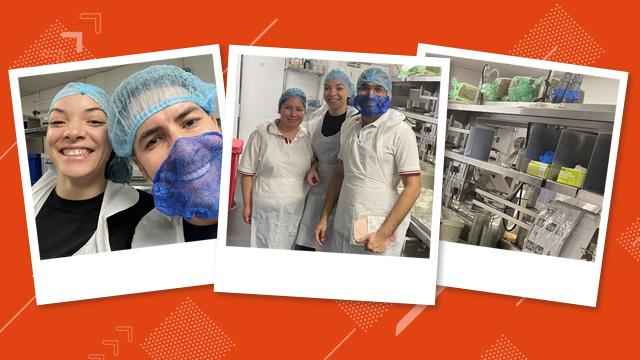
A perfect fit at Pret: Natasha’s journey to finding work

The show must go on - Tim’s employment journey