
Positive Behaviour Support (PBS)
At SeeAbility, we understand that behaviour is a form of communication. When someone shows behaviour that challenges, it often means they are expressing something that we need to respond to.
The role of our Behaviour Support team is to understand what that behaviour is telling us, so that we can respond in ways that improve each person's quality of life.
What is Positive Behaviour Support?
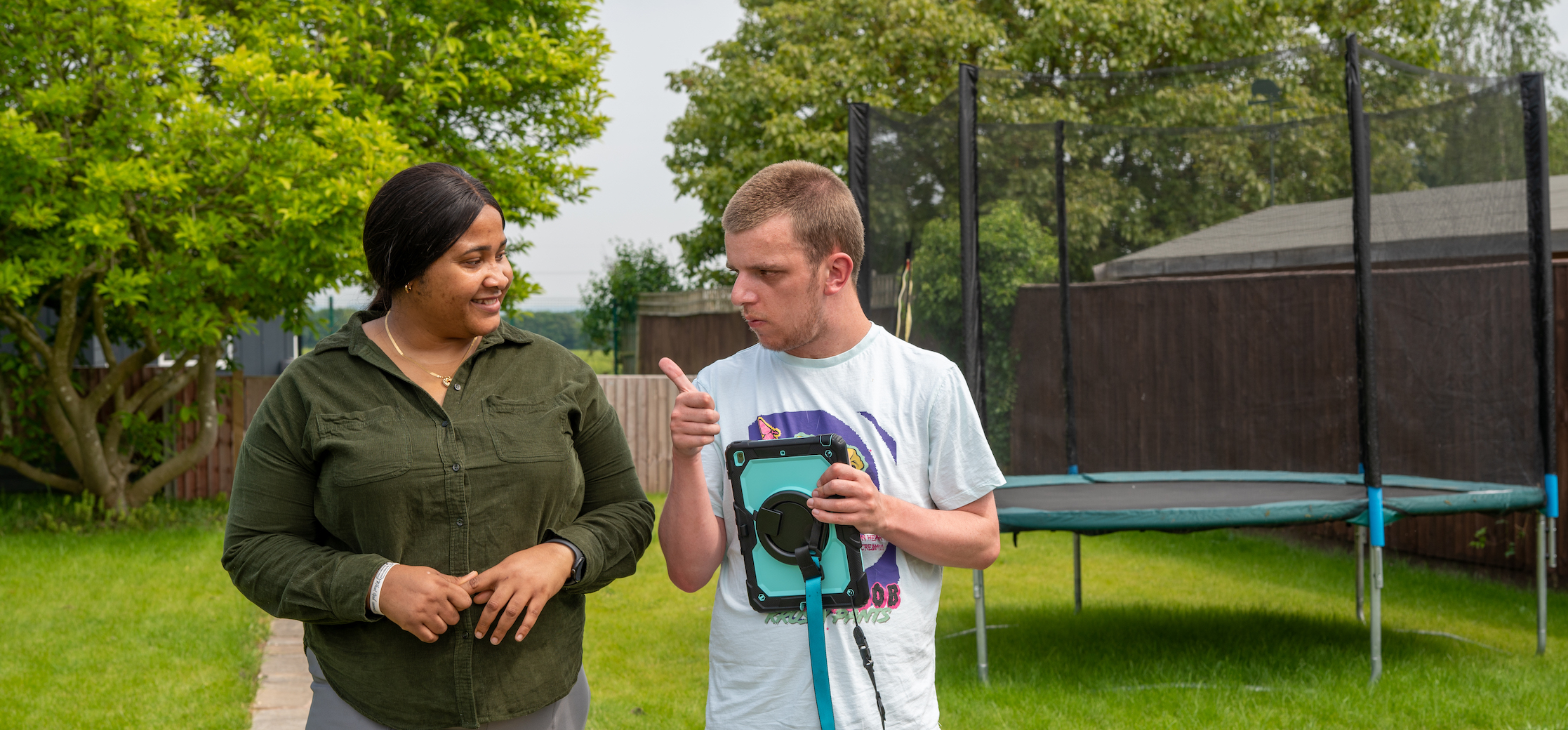
Positive Behaviour Support (PBS) is an approach that helps us understand why behaviours happen - helping us to find supportive, safe and positive ways to support each person's needs.
PBS is not something we ‘do’ to someone. It's a whole-team approach. Often it’s the support team’s behaviour that changes the most, not the person we support.
How does PBS help our teams at SeeAbility?
Positive Behaviour Support helps our teams take a mindful, skilled approach to supporting each person, including:
This means moving away from asking "How do we stop this challenging behaviour?" to instead asking "What does this person need, and how can we support them better?"
How do we support each person with PBS?
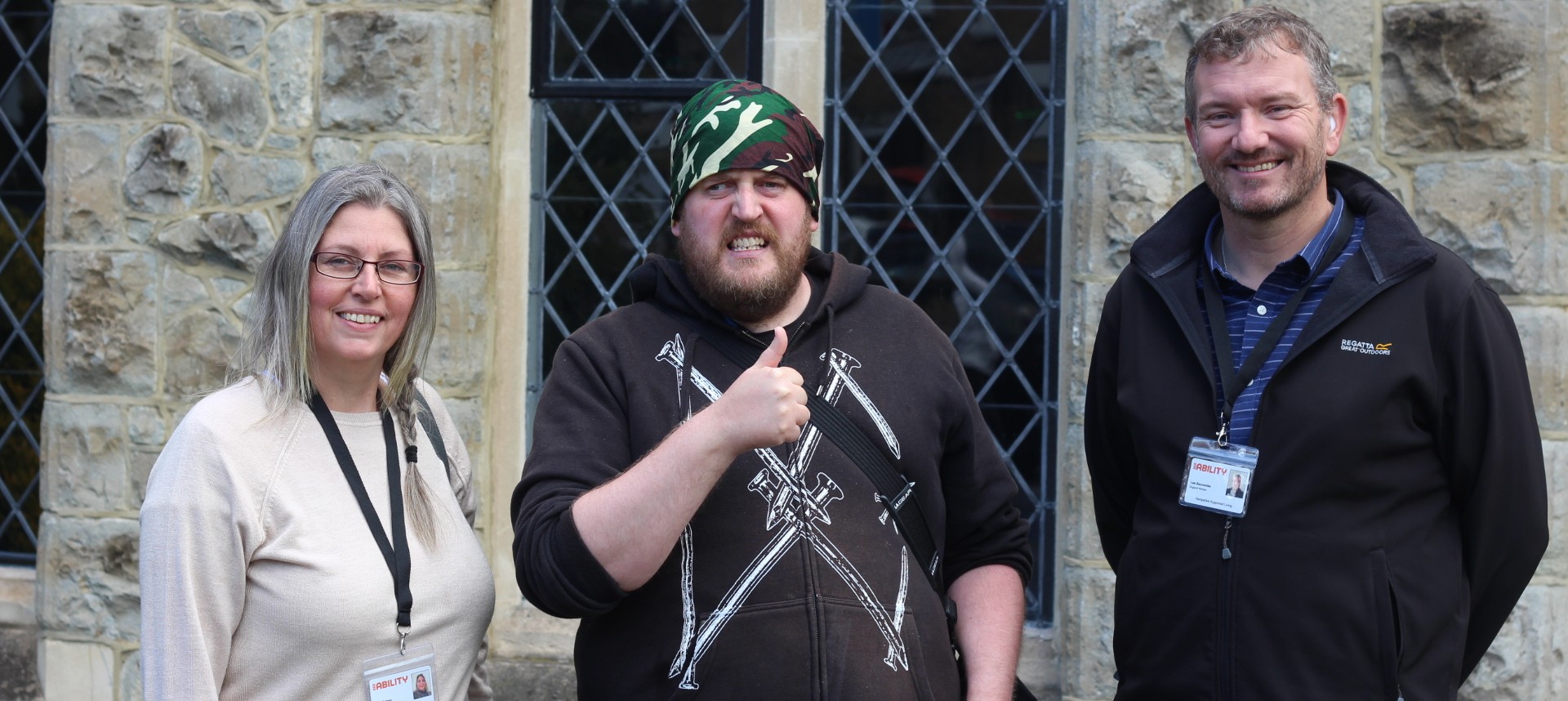
We work closely with each person, alongside their family and support team, to build a complete picture of their life. This includes understanding what a 'good day' looks like from their perspective, recognising situations that may lead to stress, frustration or anxiety, and noticing how behaviour may change over time.
By building this picture, we can see not just what is happening, but why, and what matters most to the person. We then use this insight to create an evidence-based Positive Behaviour Support Plan that is shaped around that person’s strengths, goals and preferences, ensuring they feel better understood and more in control in their day-to-day life.
What does a PBS plan do?
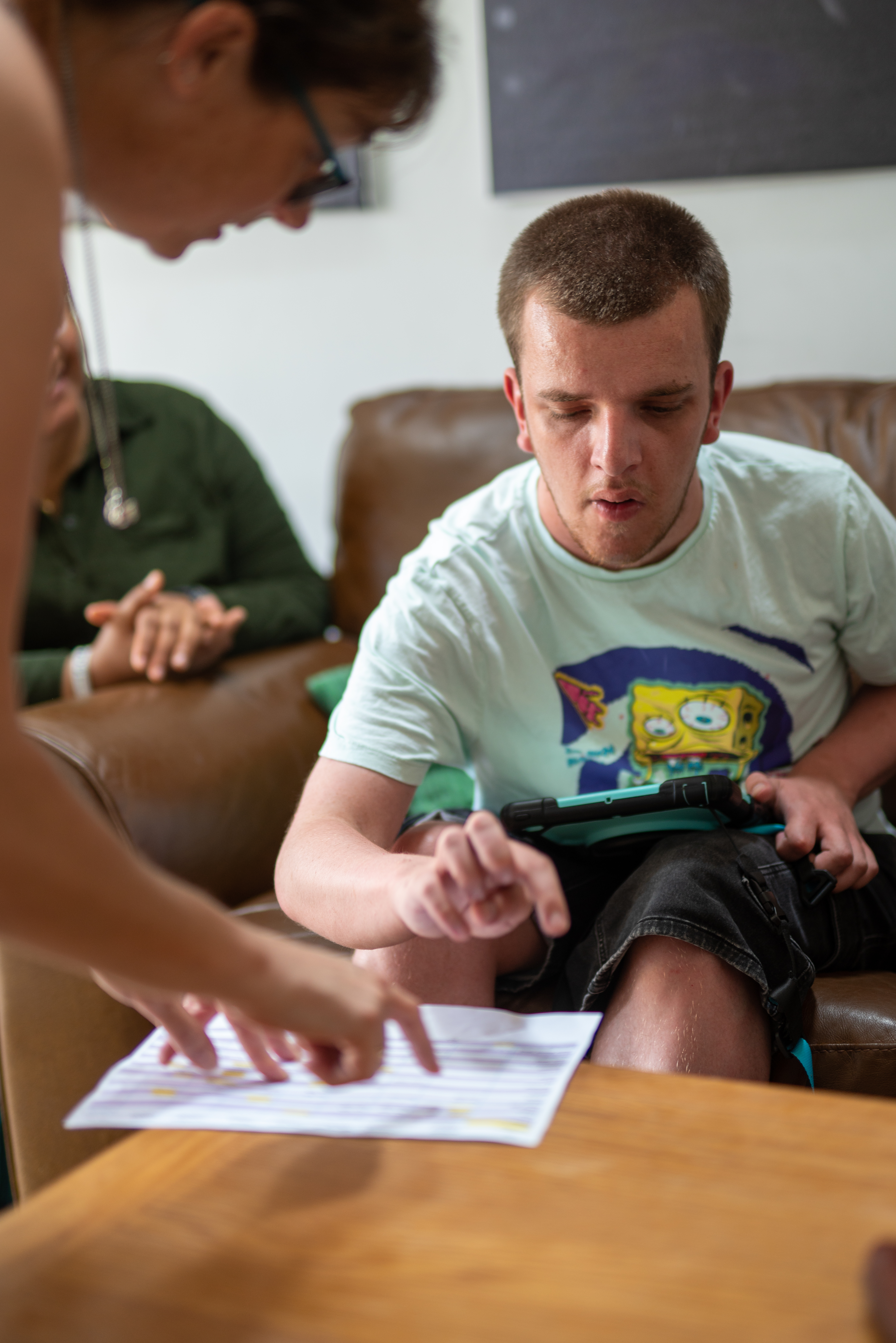
PBS plans are created in partnership with the person we support, their family and the wider team, focusing on what makes them feel happy, comfortable and understood.
They bring together an understanding of what matters most to a person, setting out practical ways of supporting them day to day. This includes how we communicate, how we respond (particularly in more challenging situations) and how their environment is set up to support their wellbeing.
The ultimate aim of a PBS plan is to support a person to develop their skills, build stronger relationships, and have meaningful choice and control in their life.
We also include clear guidance on noticing early signs of worry, reducing the likelihood of distress, and keeping everyone safe if a crisis does arise. However, the focus remains proactive, supporting consistent relationships and creating the conditions for greater independence and quality of life.
Building new skills and independence
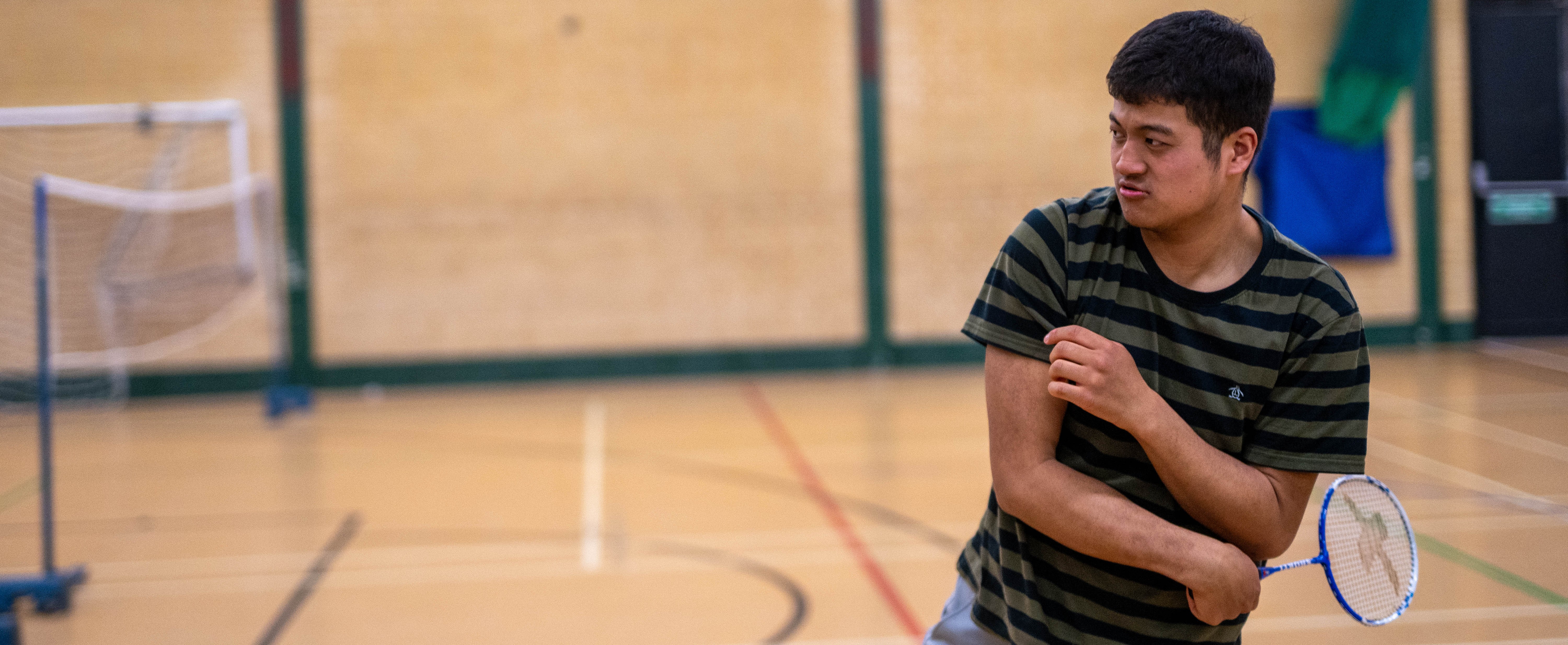
PBS isn't all about prevention. It's also about supporting people to find new ways to express themselves and make their own choices about their lives.
That might mean strengthening communication so people can be understood more easily, building their confidence to take part in everyday tasks and try new activities, or developing greater independence in ways that feel right for them.
It also involves shaping healthy, sustainable routines that reflect each person’s needs and preferences.
As a person’s overall quality of life improves in these ways, behaviours that challenge support teams often reduce naturally.
Keeping people safe
Sometimes, people may be at risk of harming themselves or those around them.
In these situations, our support teams are trained to respond in a way that promotes safety, whilst upholding dignity and the human rights of the people we support.
This is based on PROACT-SCIPr-UK®'s "Whole Approach", which, among other things, focuses on:
- Understanding behaviour
- Preventing crises
- Using the least restrictive options
Sometimes, physical interventions are needed to keep someone safe. These are only used when there is no other safe option, and always as a last resort. Our aim is to always reduce the need for these over time.
PBS works best when we work together
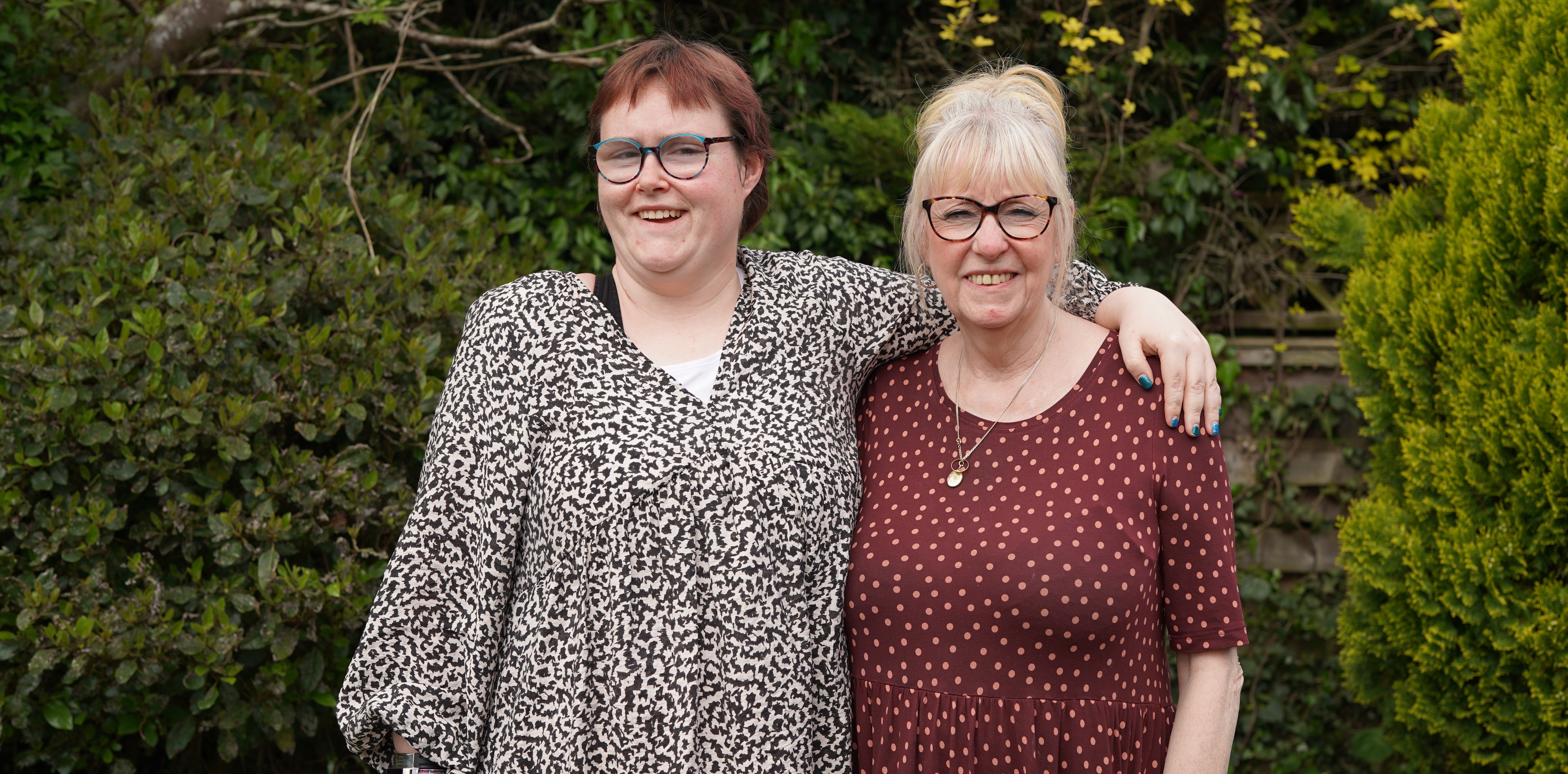
Positive Behaviour Support is at its best when we work together. We work together with the person being supported, their families, friends and carers, as well as our support teams and external professionals involved in their care.
By sharing knowledge and understanding in this way, we can provide support that is consistent, truly person-centred, and always focused on delivering an improved quality of life.

Positive behaviour support can transform lives.
For Giban, everything changed when our team came together to listen to what he truly wanted from life. He now lives the kind of life he had longed for - one filled to the brim with fun adventures, improved fitness, and new friendships.
Read more stories which show the transformative impact of positive behaviour support

Jake's new chapter

Ben’s story - Moving in and moving on
You might also be interested in
Find homes and support