
Neurodiversity (easy read)
Learn what neurodiversity means, including autism, ADHD and dyslexia. Learn how people’s brains can think, learn and experience the world in different ways.
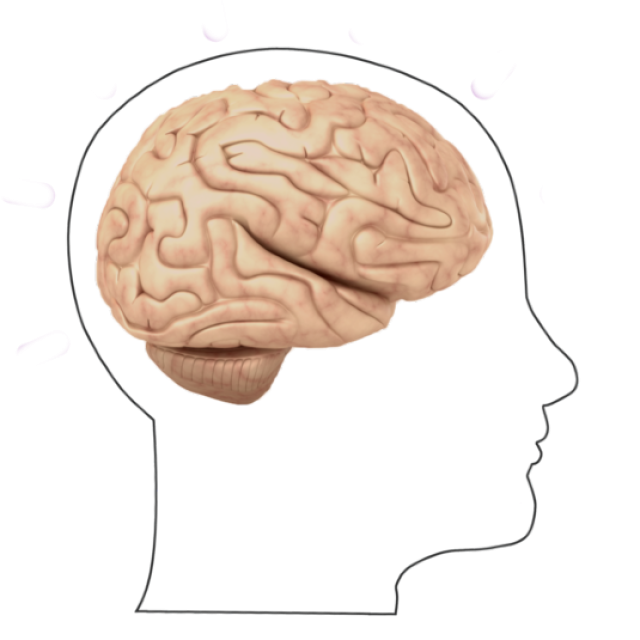
Everyone’s brain is different.
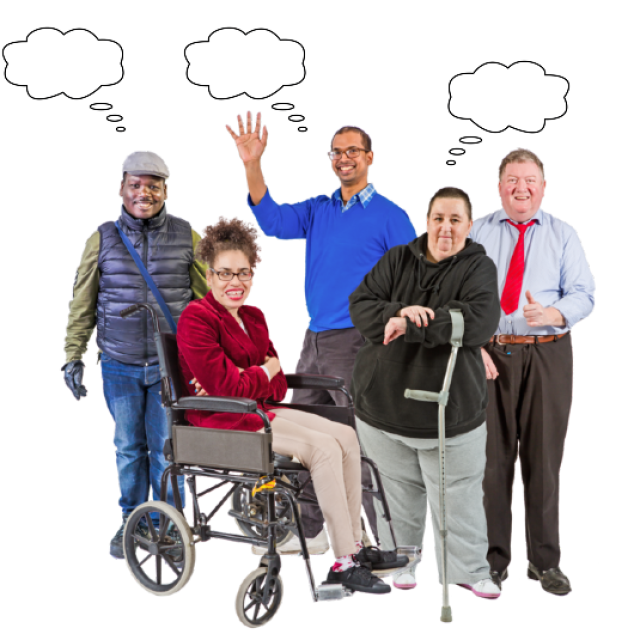
There is no one ‘normal’ way to think.
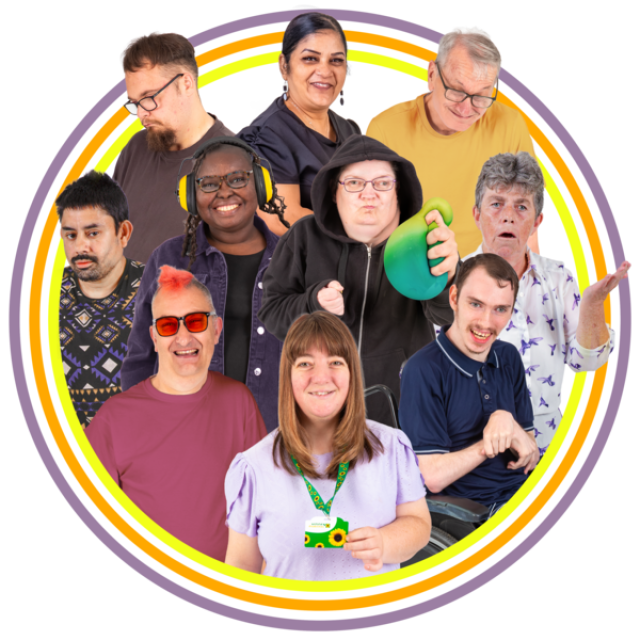
Neurodiversity is the different ways people think.
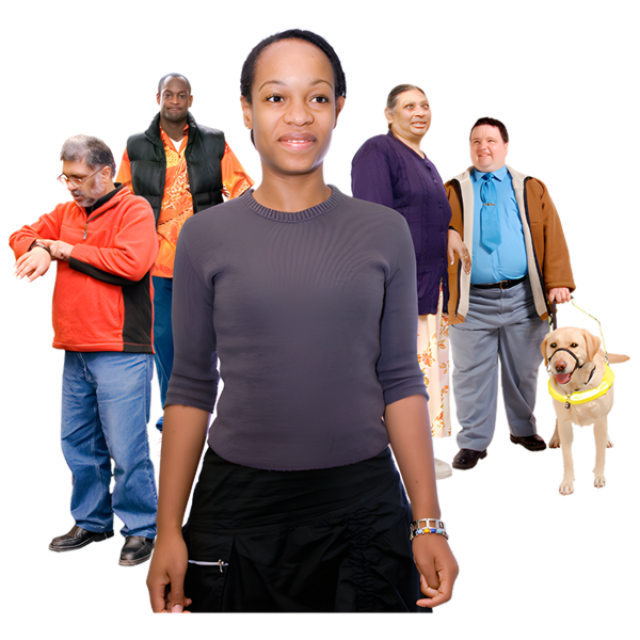
Some people’s brains work in a different way to most people.
This is called being ‘neurodivergent’.
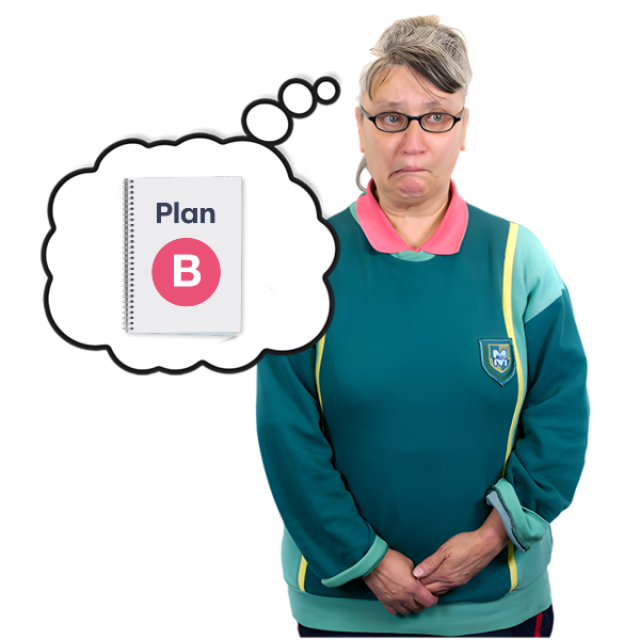
For example, some people:
- Like things to stay the same
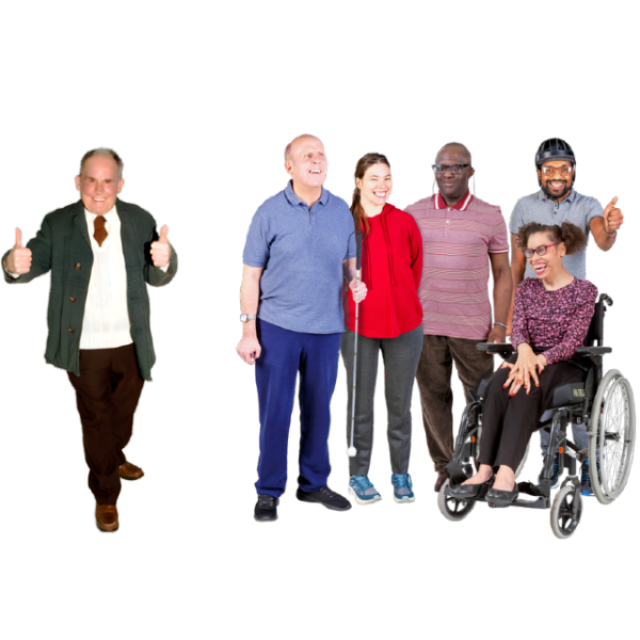
- Notice things other people don’t
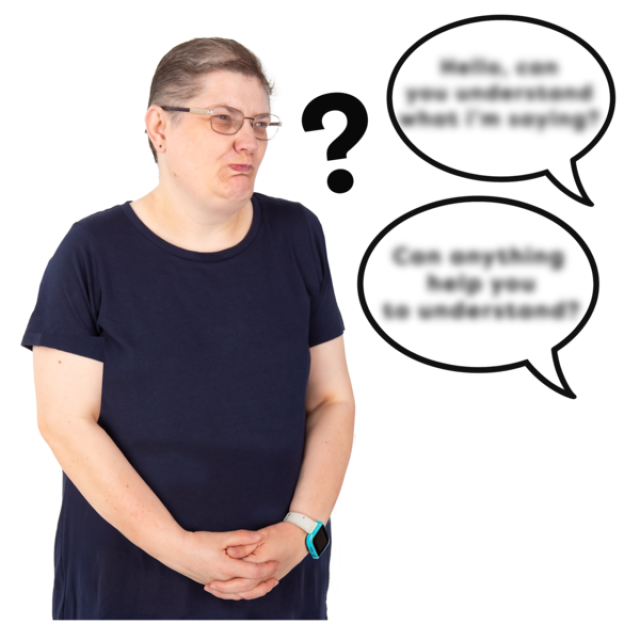
- Need more time to understand things
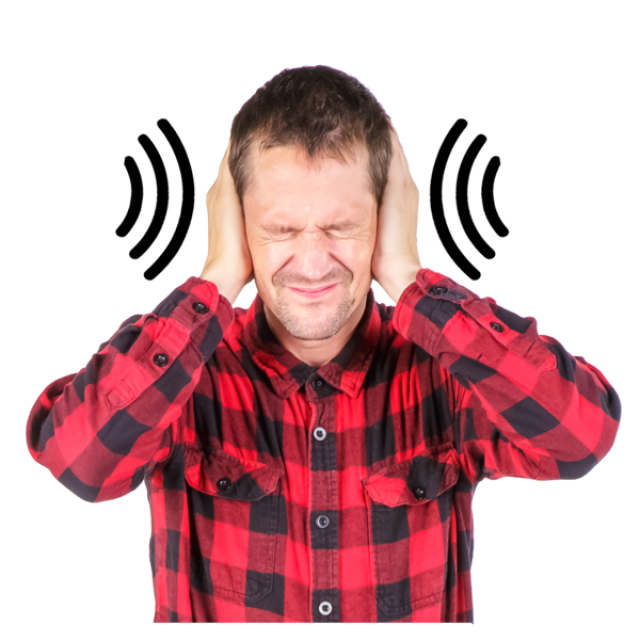
- Like quiet places
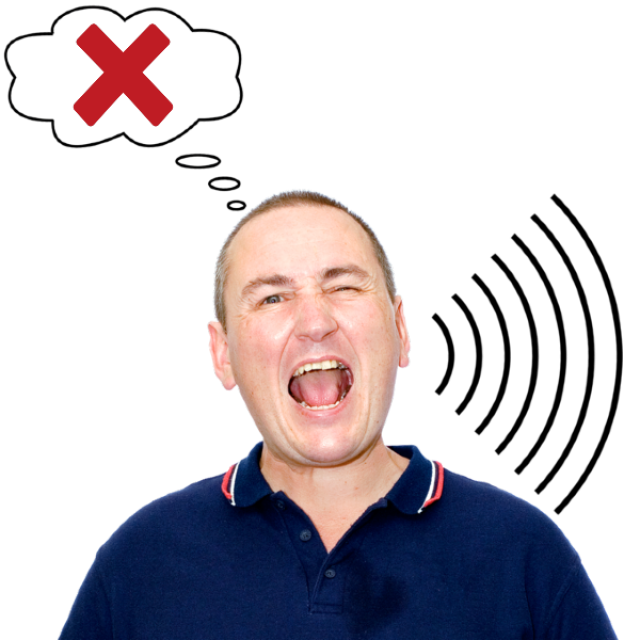
- Do things without thinking
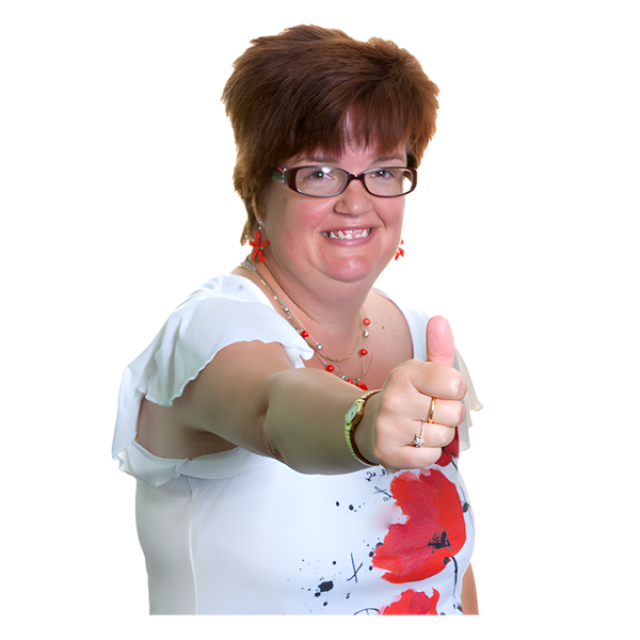
All of these are okay.
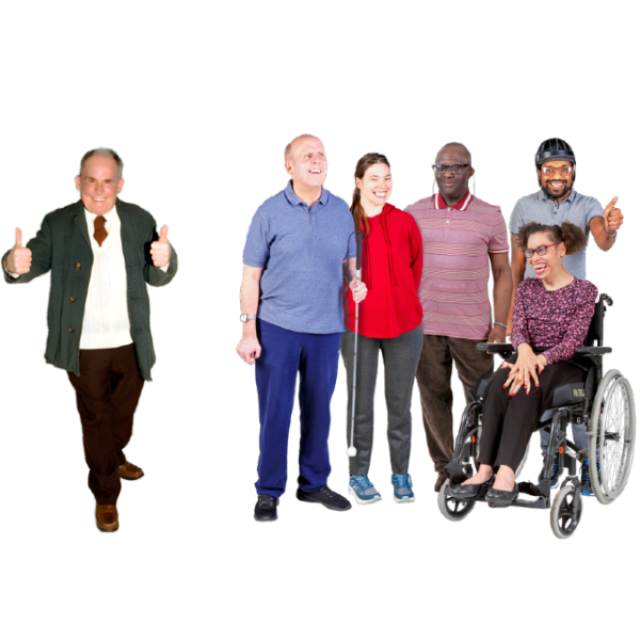
It might just make life a little different.
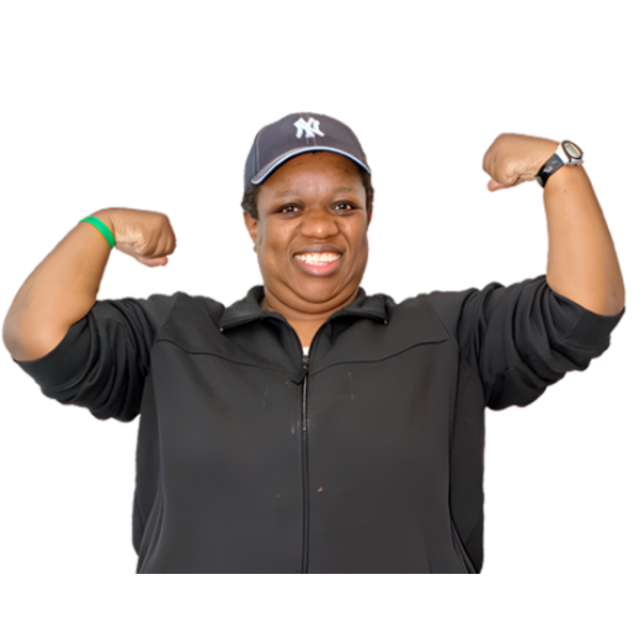
Being neurodivergent can be a strength.
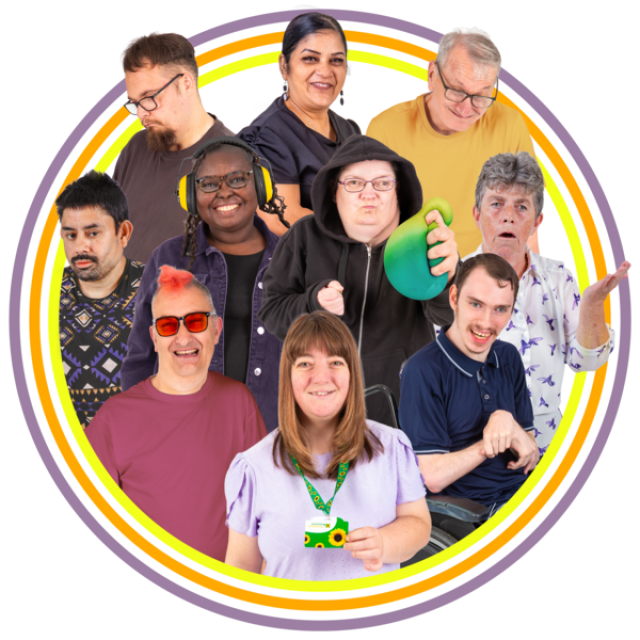
You might be called neurodivergent if you have:
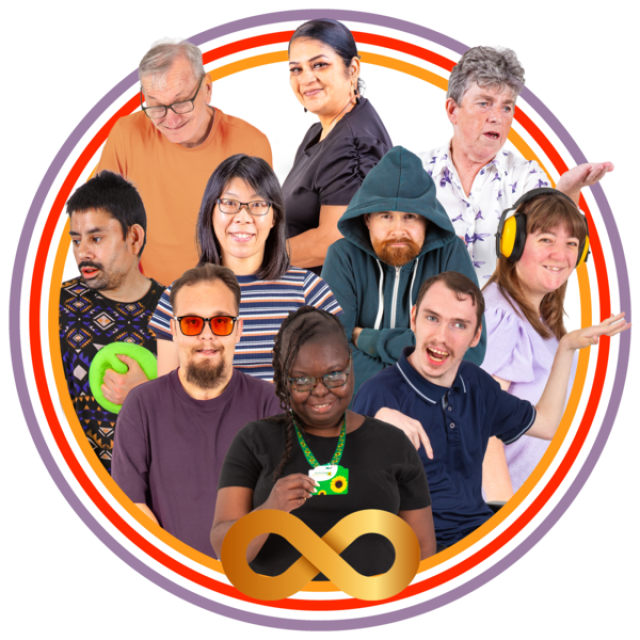
- Autism
- ADHD
- Dyslexia

- Dyspraxia
We will explain what these words mean.
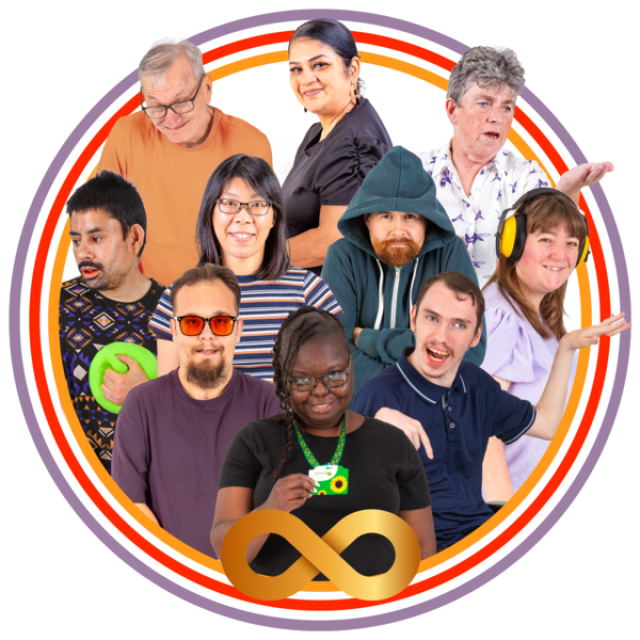
The full name for autism is Autism Spectrum Disorder (ASD).
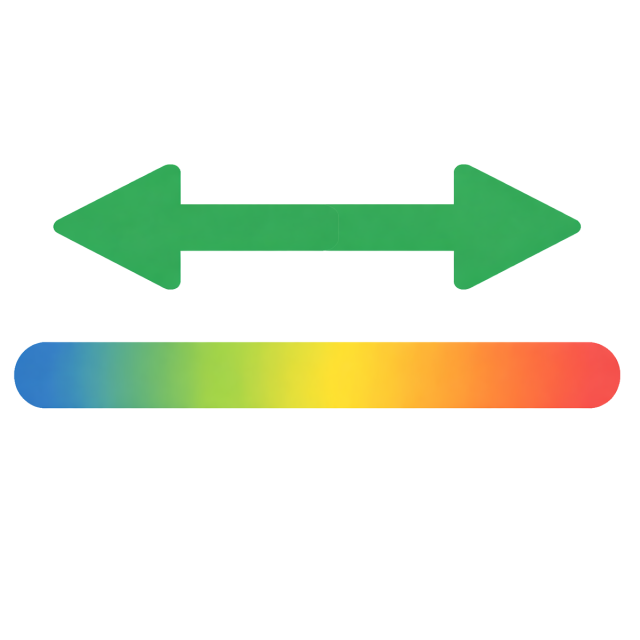
A spectrum means it is not the same for everyone.
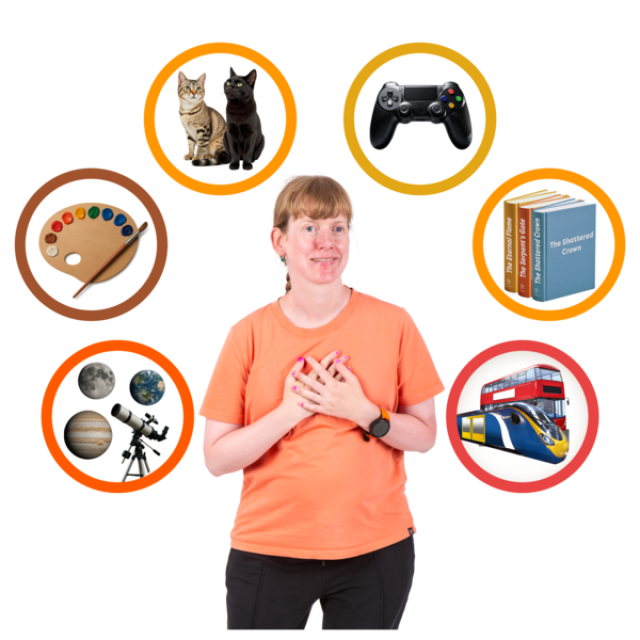
People with autism might:
• Be really interested in hobbies

- Like routines and knowing what will happen
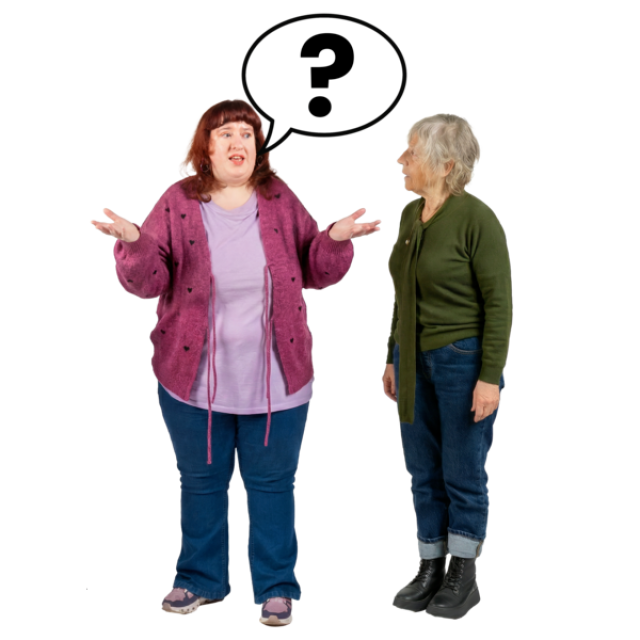
- Find it hard to know what to say to people
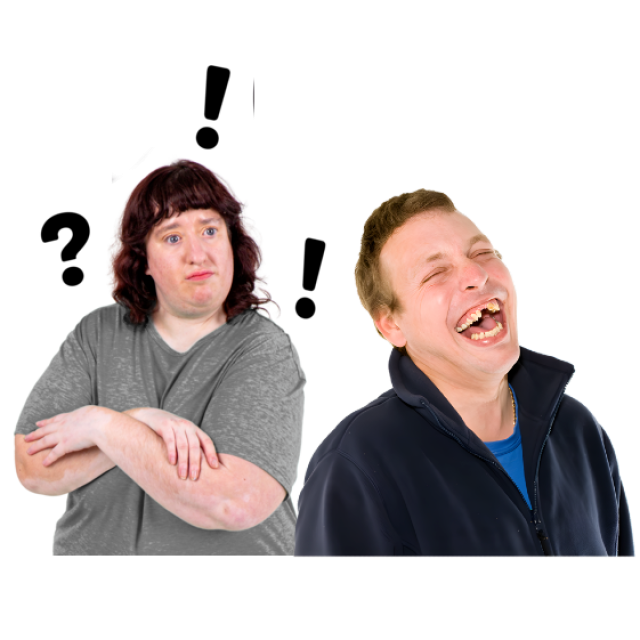
- Not understand some jokes
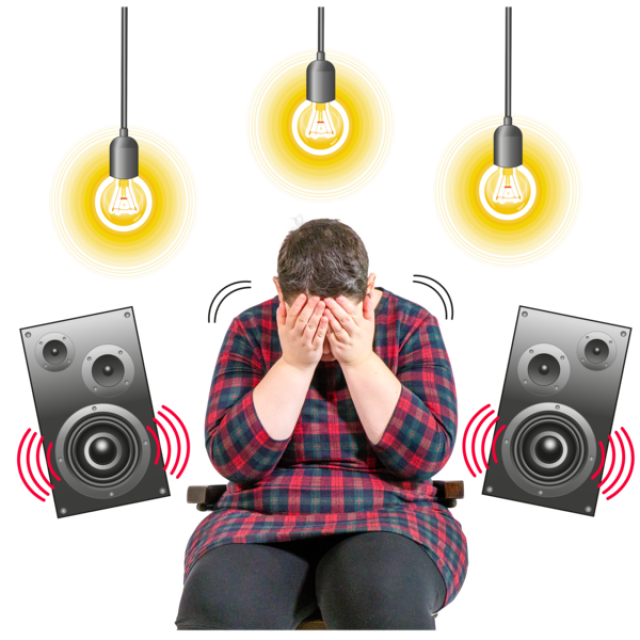
- Some might not like loud noise or bright lights

- Some might really like loud noises or bright lights
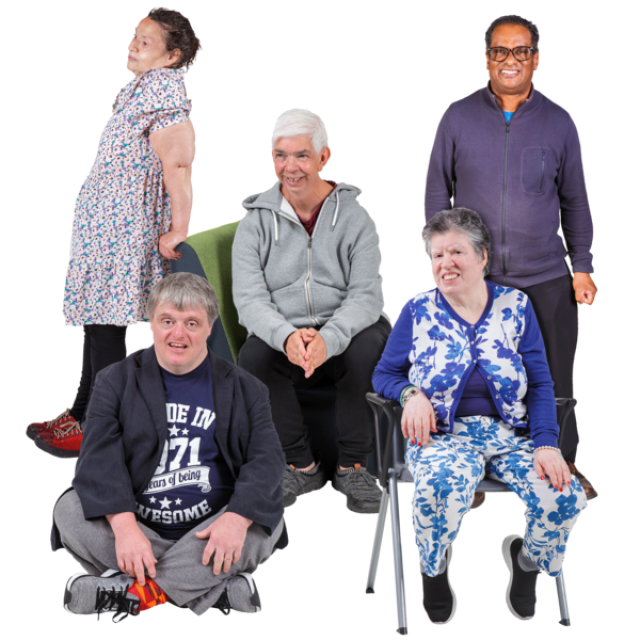
Autistic people are all different.
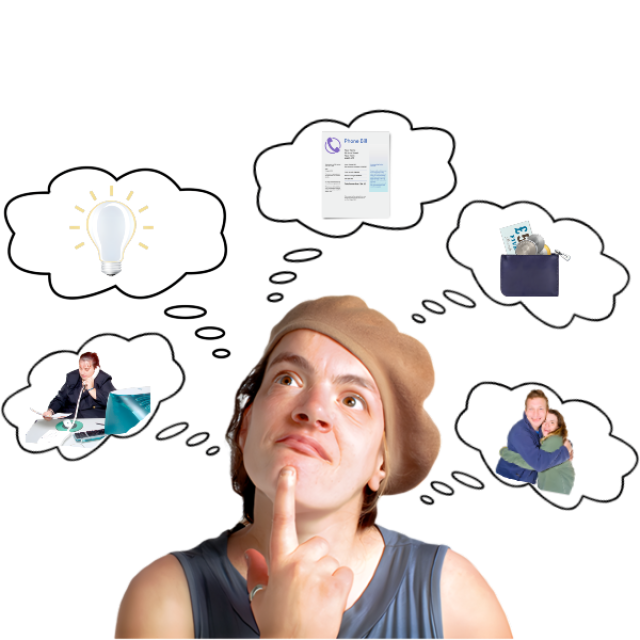
ADHD stands for Attention Deficit Hyperactivity Disorder.

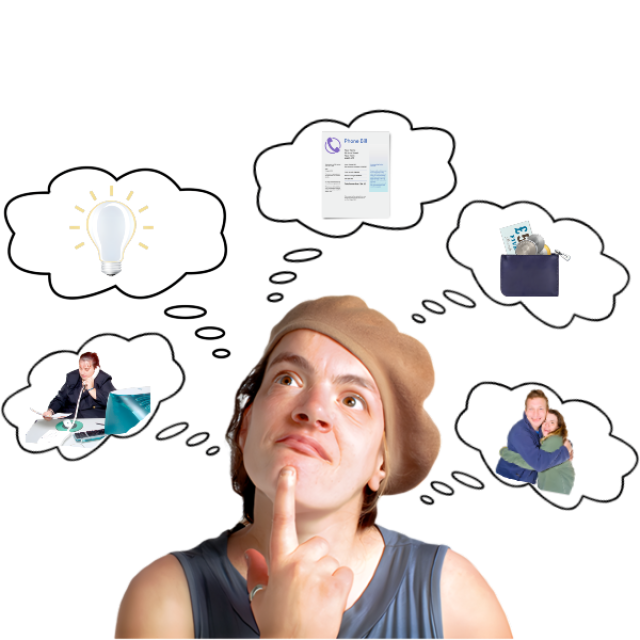
People with ADHD might:
- Have lots of energy
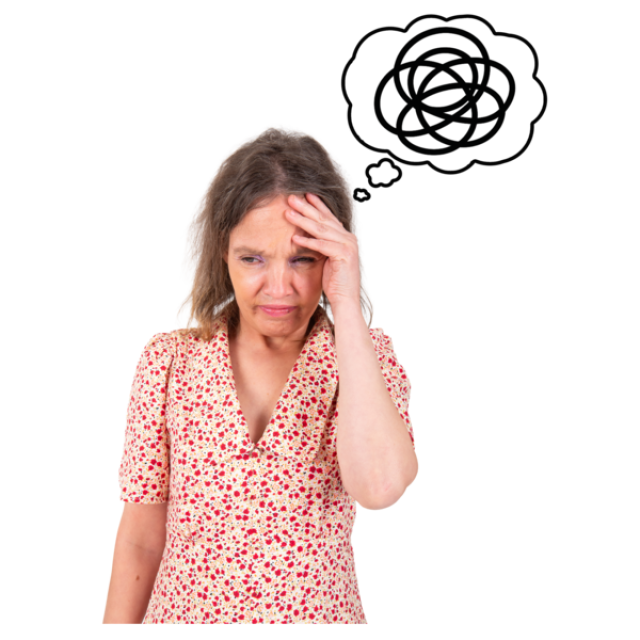
- Find it hard to concentrate
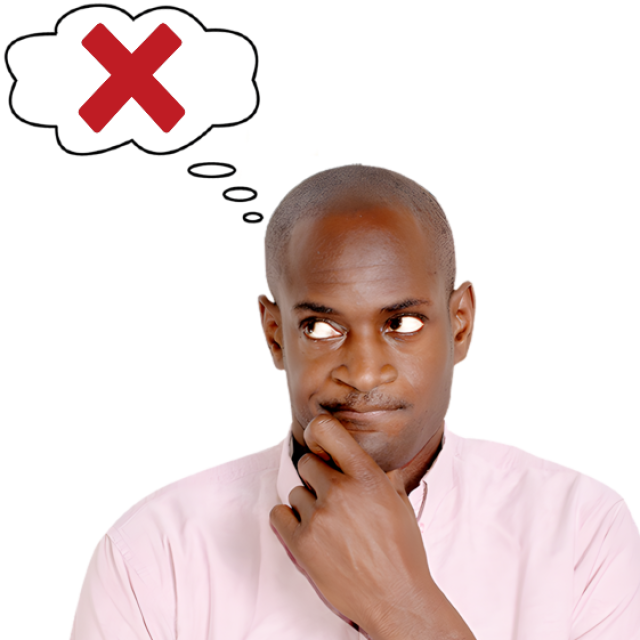
- Do things quickly without thinking
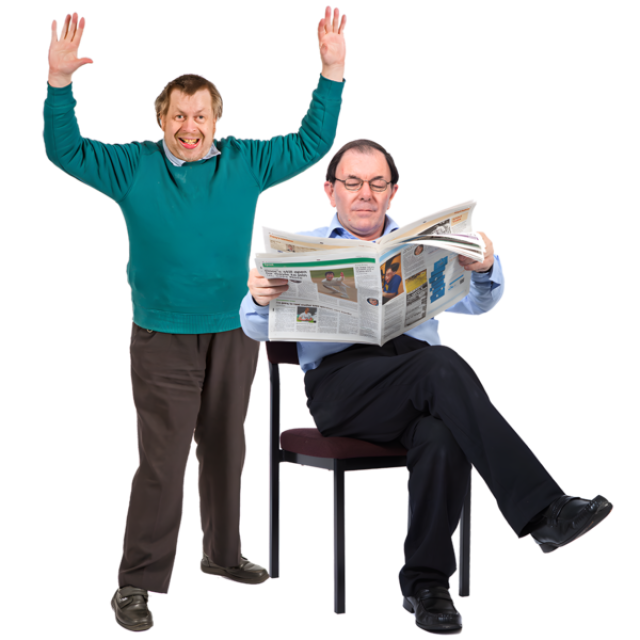
- Find it hard to sit still
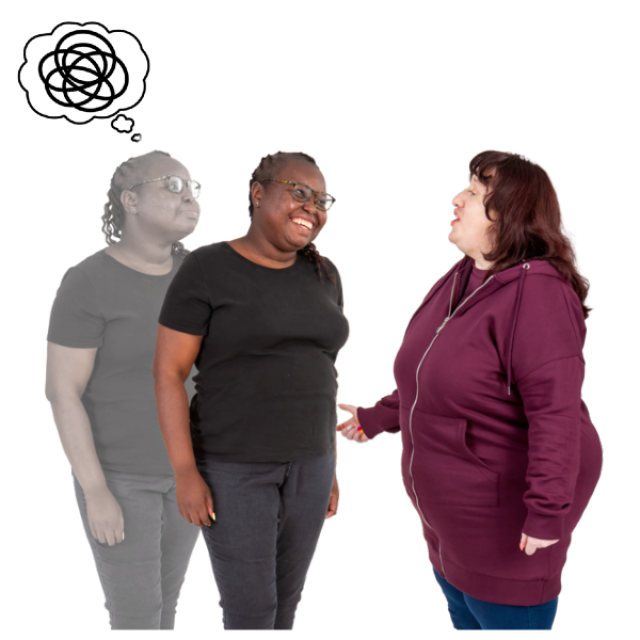
- Look calm on the outside but feel busy inside
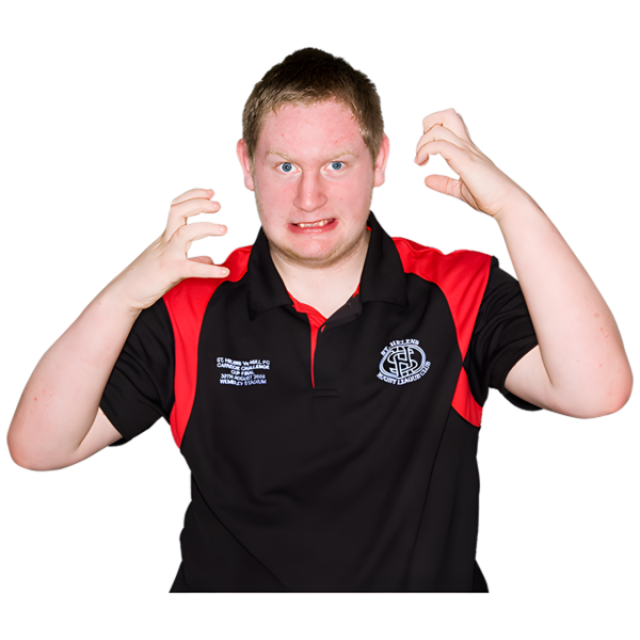
ADHD means the brain finds it harder to focus and stay still.
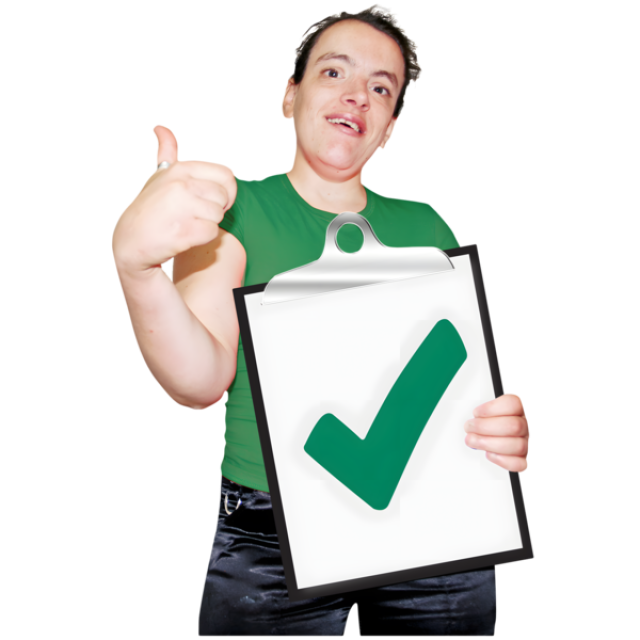
ADHD is not caused by bad behaviour.
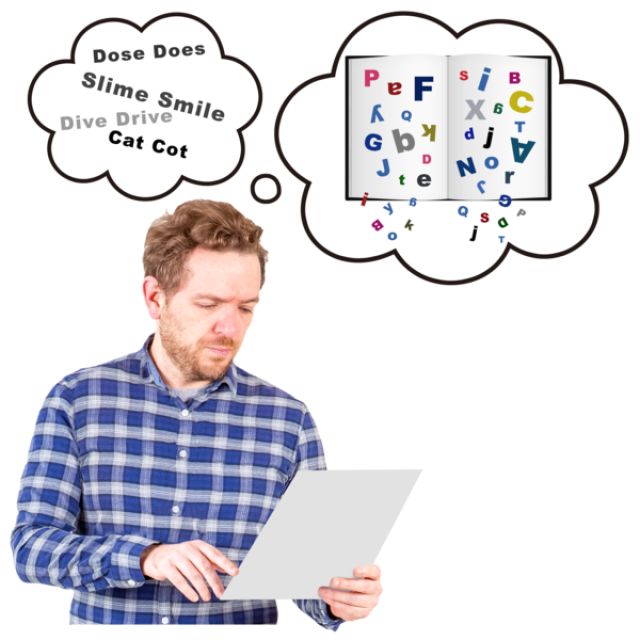
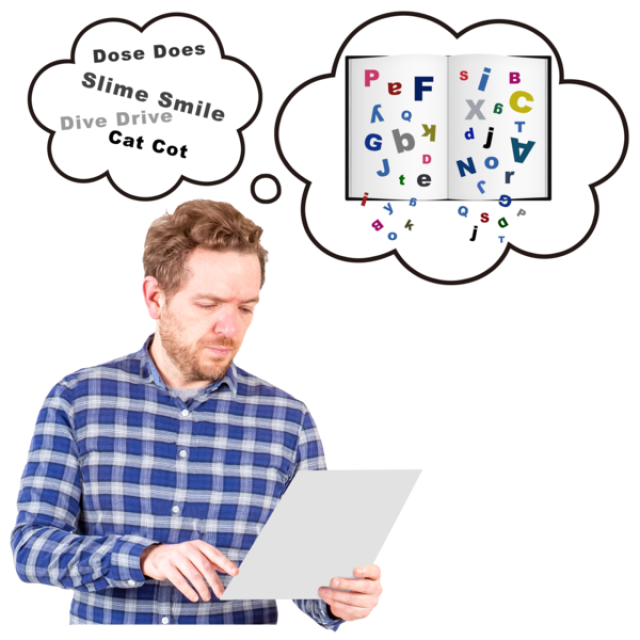
Dyslexia means reading and writing are harder.
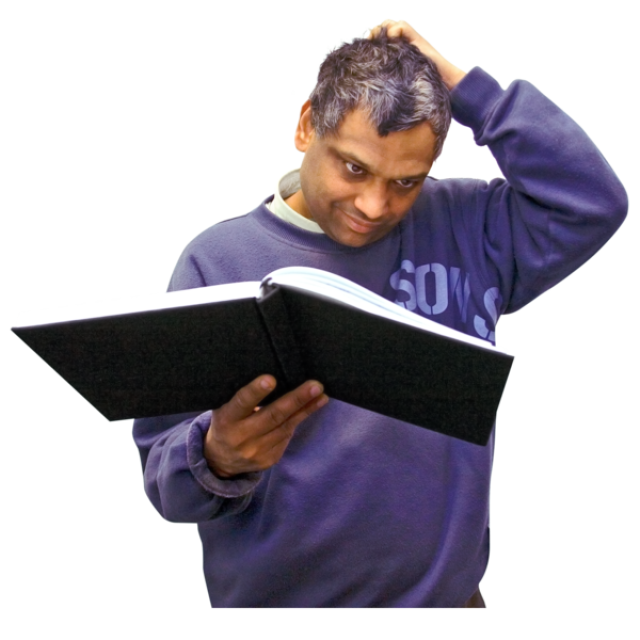
People with dyslexia might:
- Find reading hard
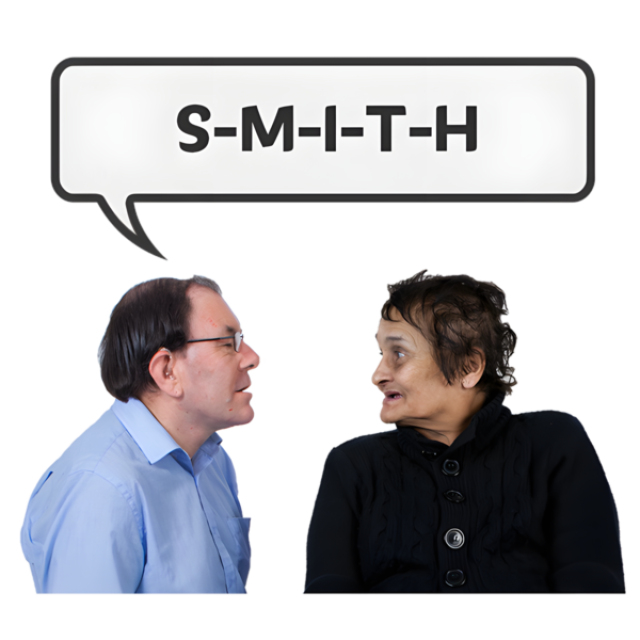
- Find spelling hard
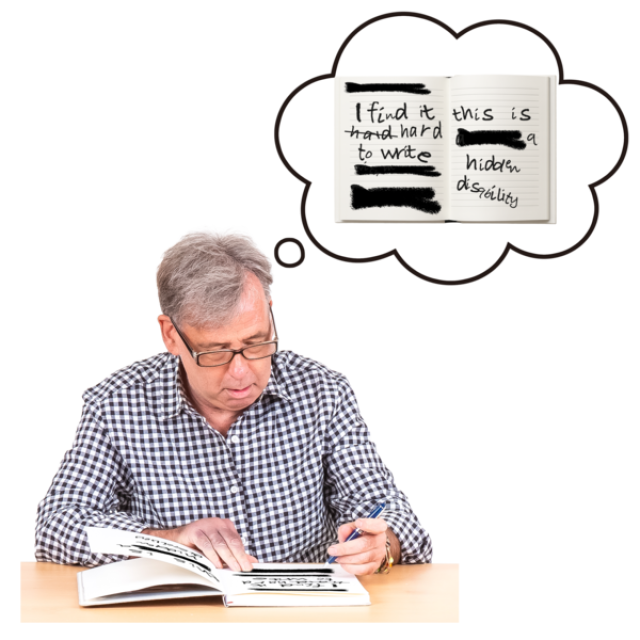
- Find writing hard
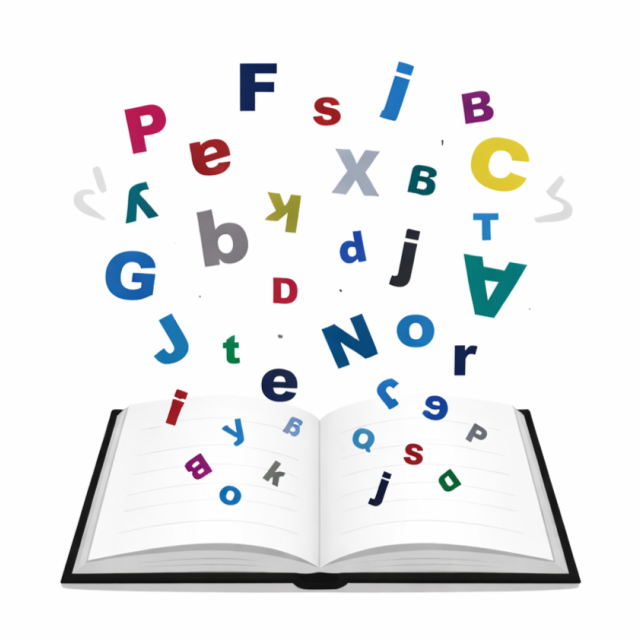
- Mix up letters or words
It does not mean the person is not clever.

Dyspraxia affects the way people move and do things.

People with dyspraxia might:
- Drop or bump into things

- Find it hard to balance

- Find small objects hard to use
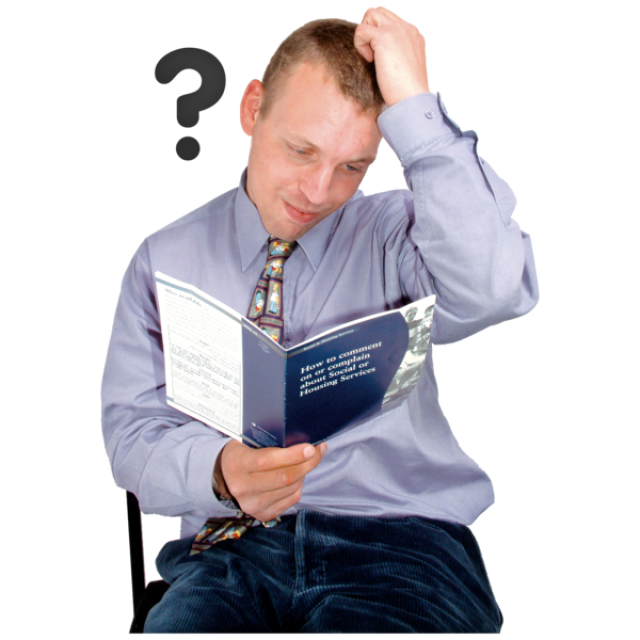
- Need more time to learn new skills

Dyspraxia can make some things harder to do.
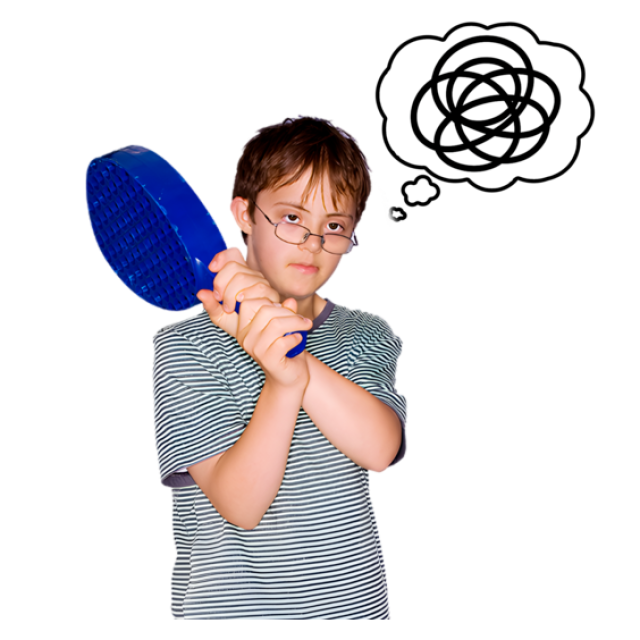
Like writing or playing sports.
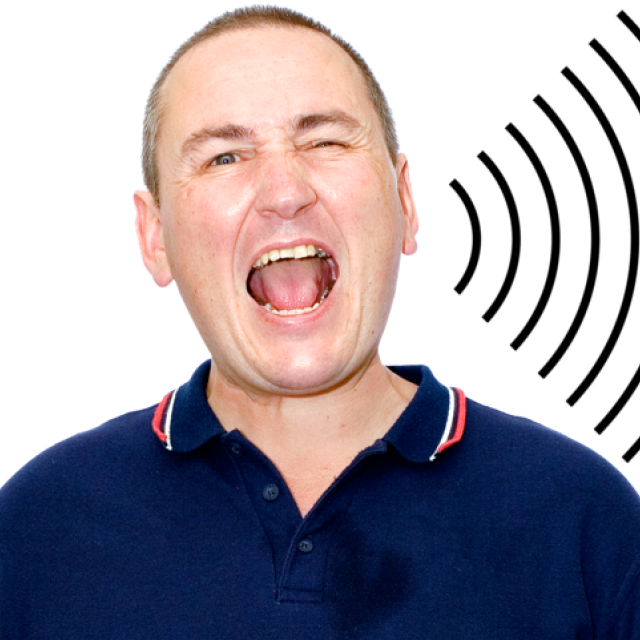
People with Tourette syndrome have tics.
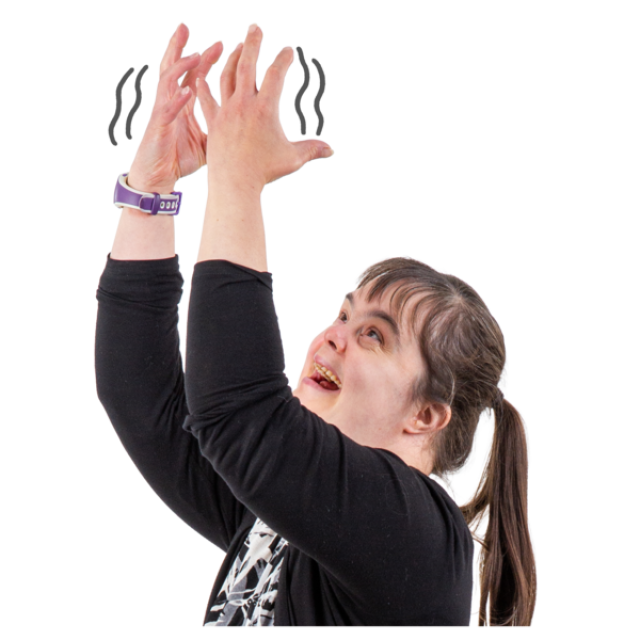
Tics are movements or sounds that happen suddenly.
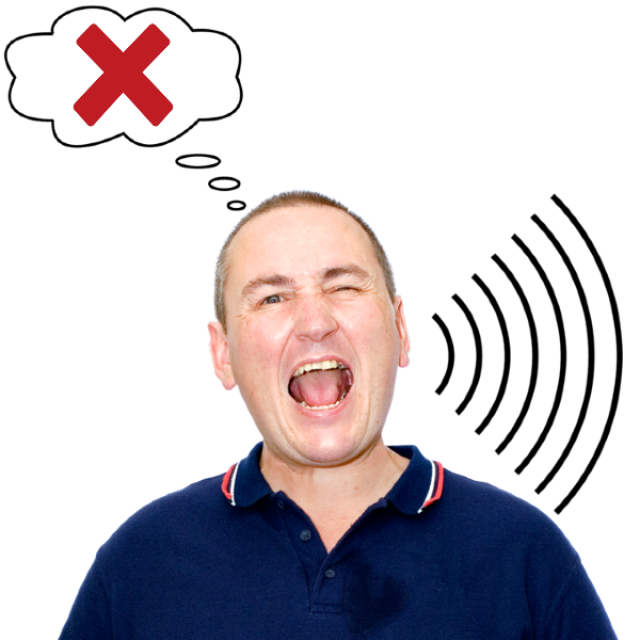
The person does not choose to do them.
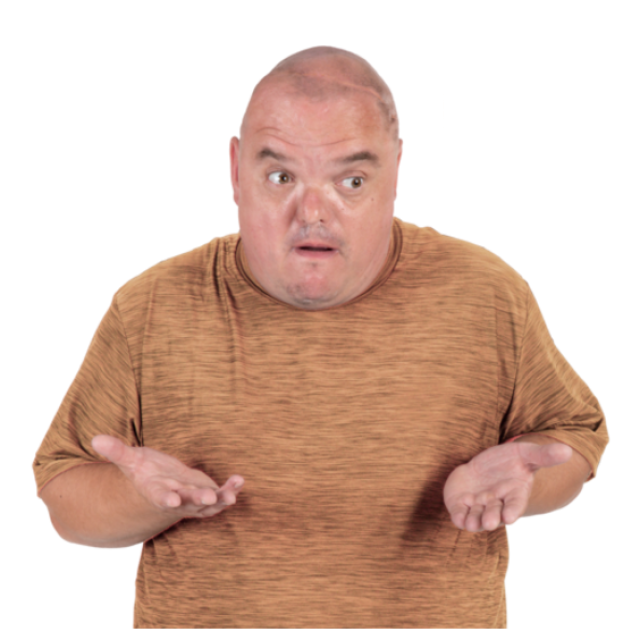
They cannot easily stop them.
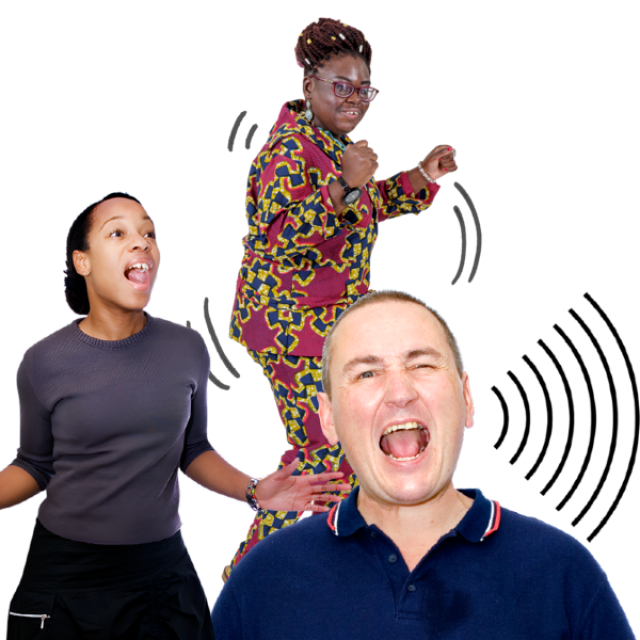
There are different types of Tourette syndrome.

Neurodiversity is not an illness.
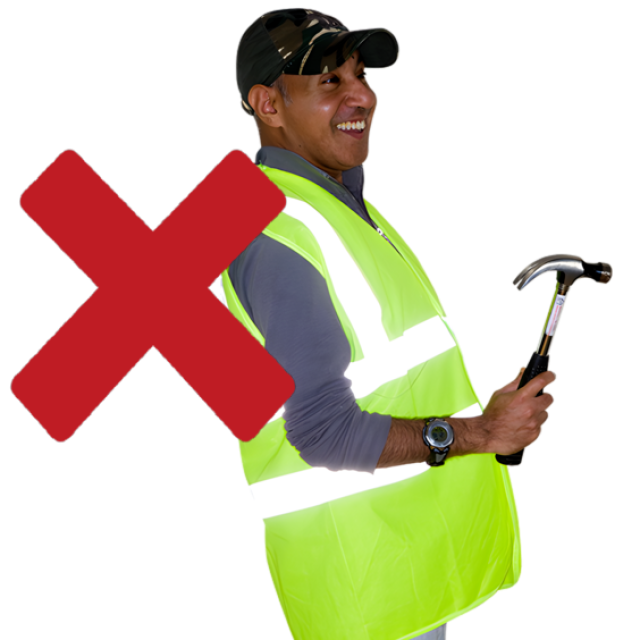
It does not need to be fixed.
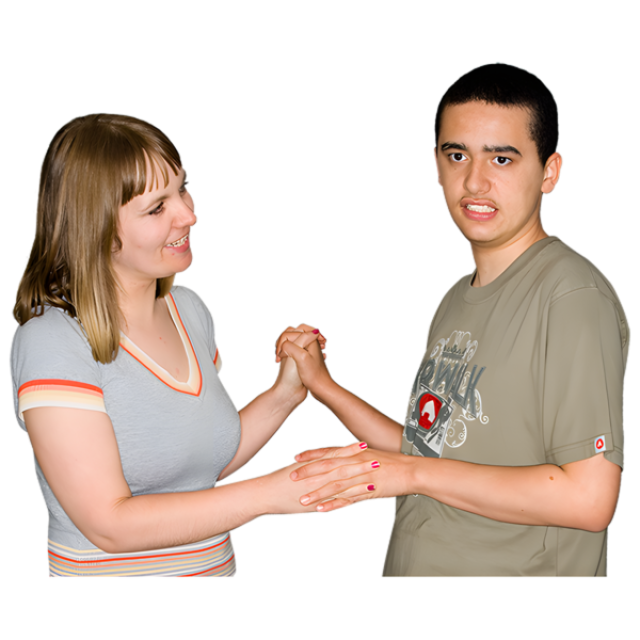
There are ways to support neurodivergent people.
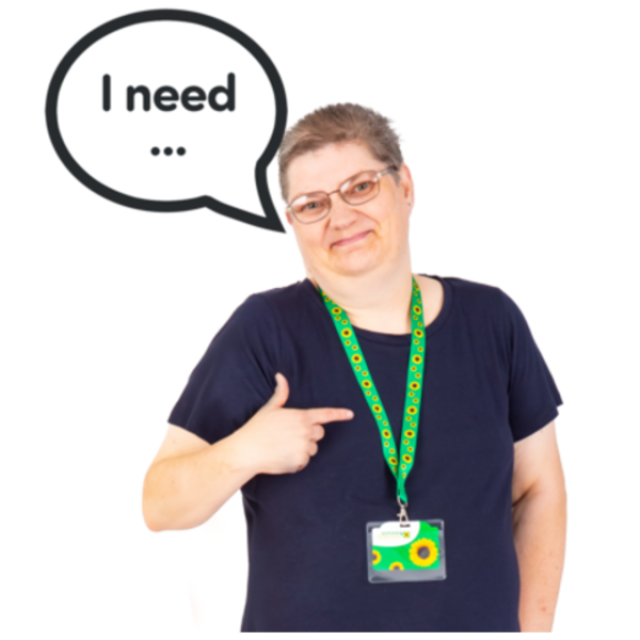
It can be helpful to:
- Listen to what the person needs
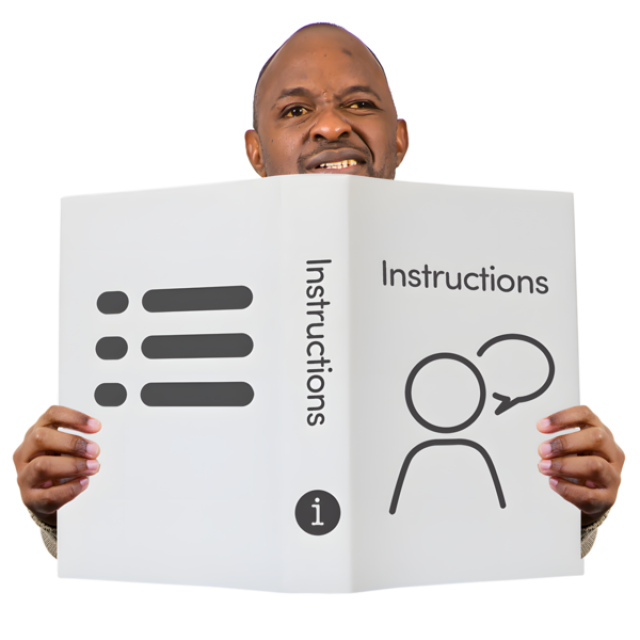
- Give clear instructions
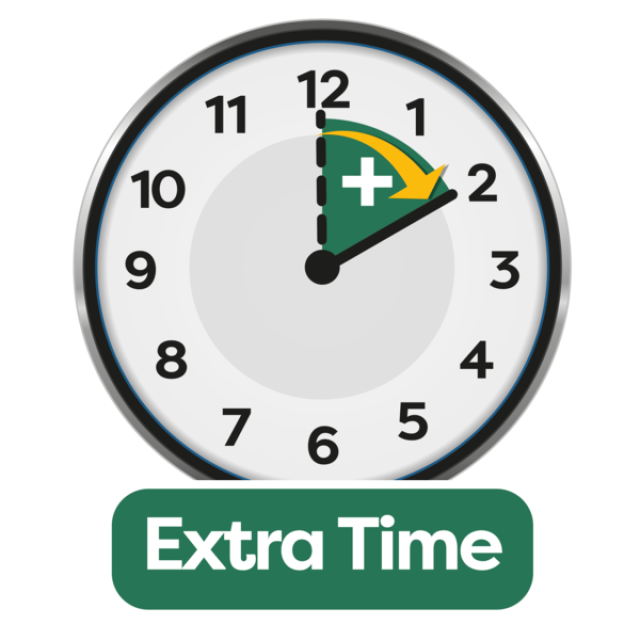
- Allow extra time
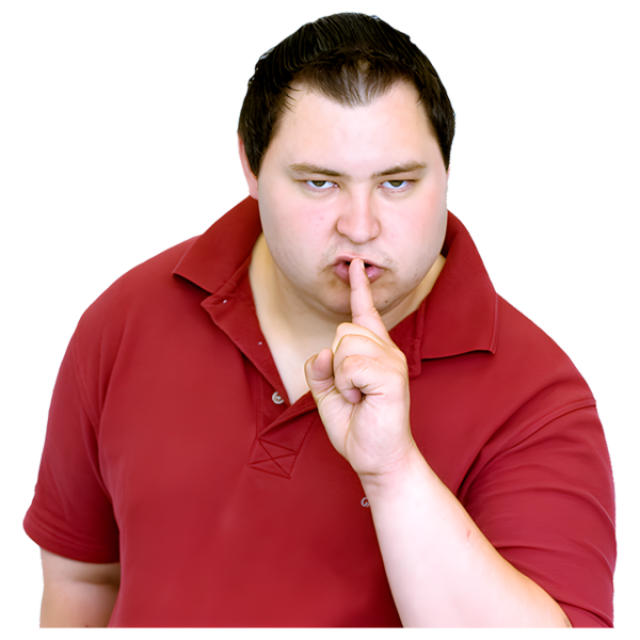
- Offer quiet spaces

- Be patient
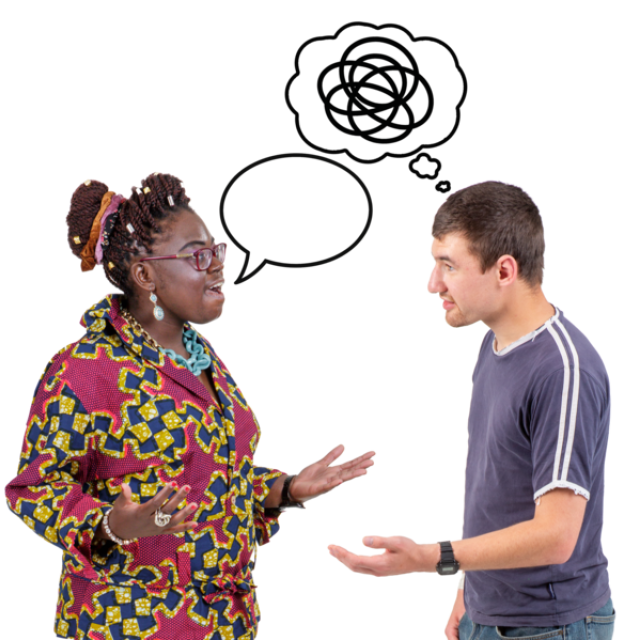
- Use clear language

Some people might need a lot of support.
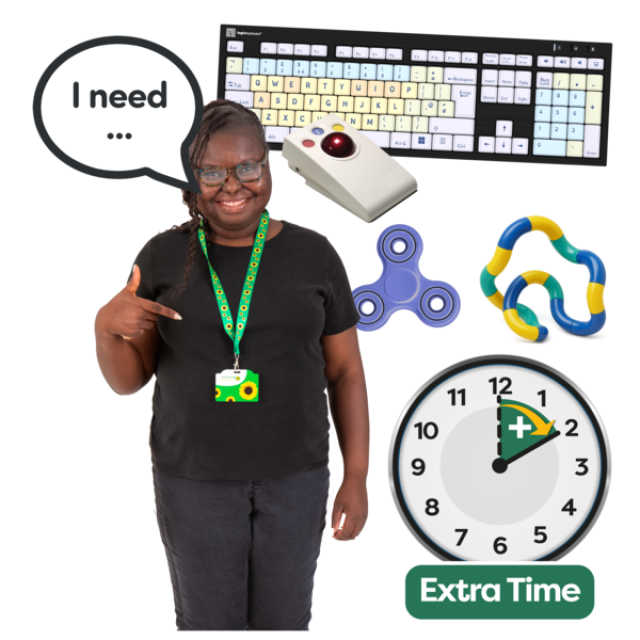
Other people might only need a little bit of support.
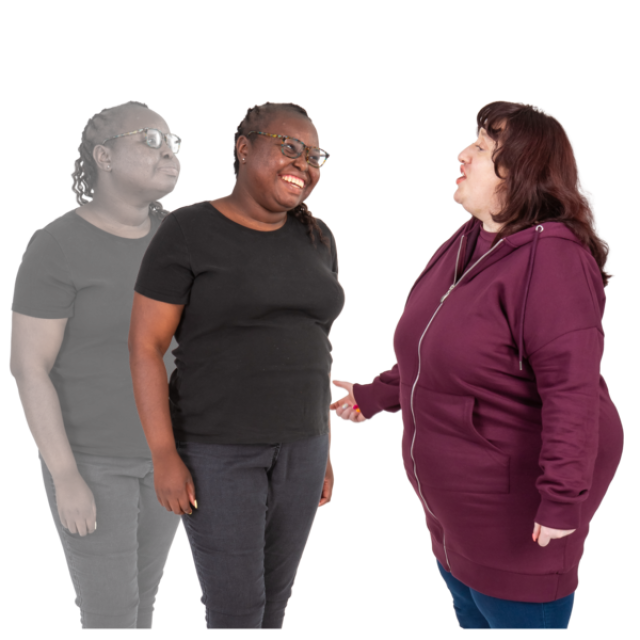
Some neurodivergent people change the way they act to fit in.
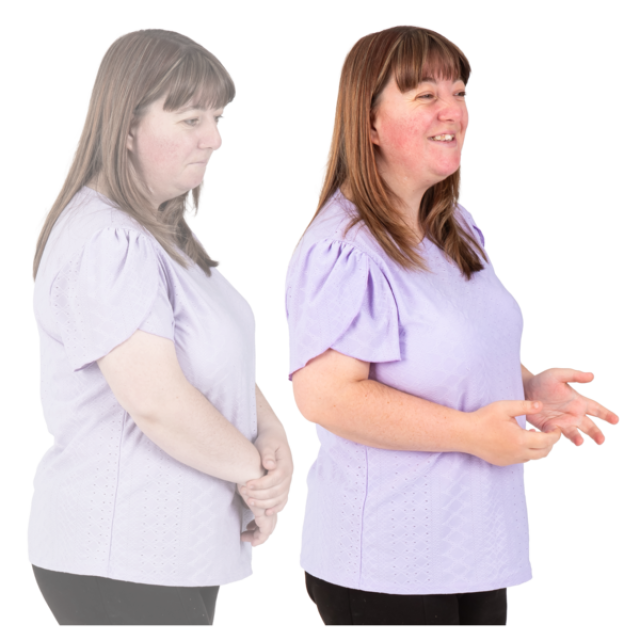
This is called masking.
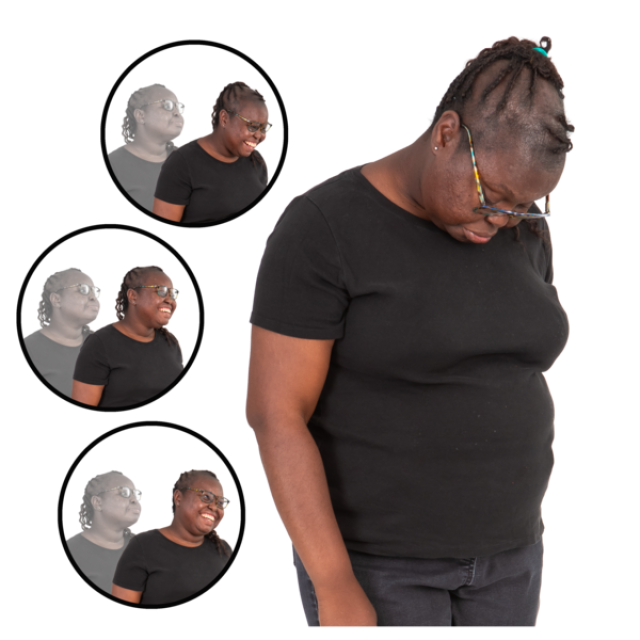
Masking can be really tiring.

If you have these signs it doesn't always mean you are neurodivergent.
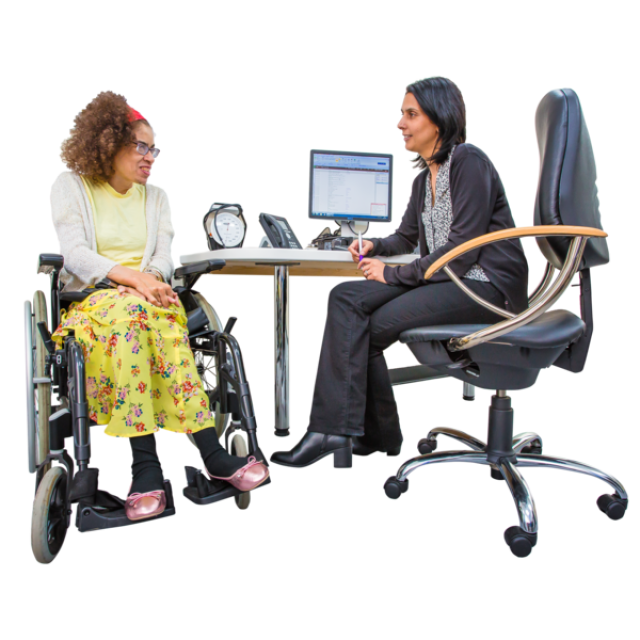
You can talk to your doctor if you are unsure.
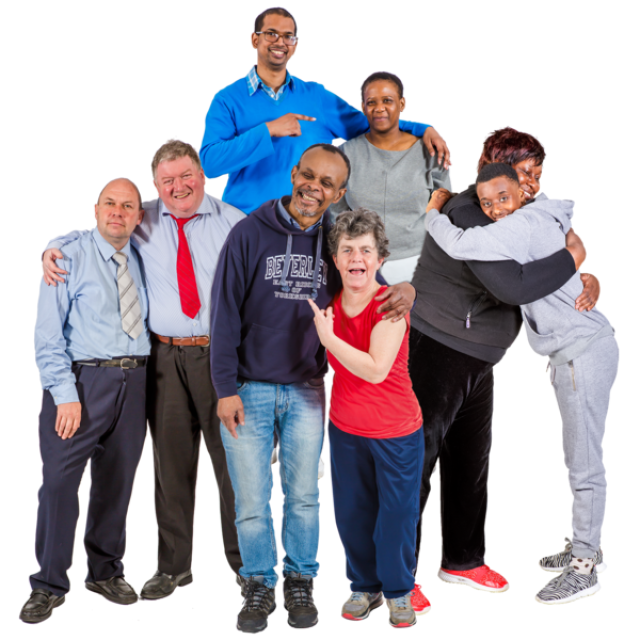
Everyone is different.
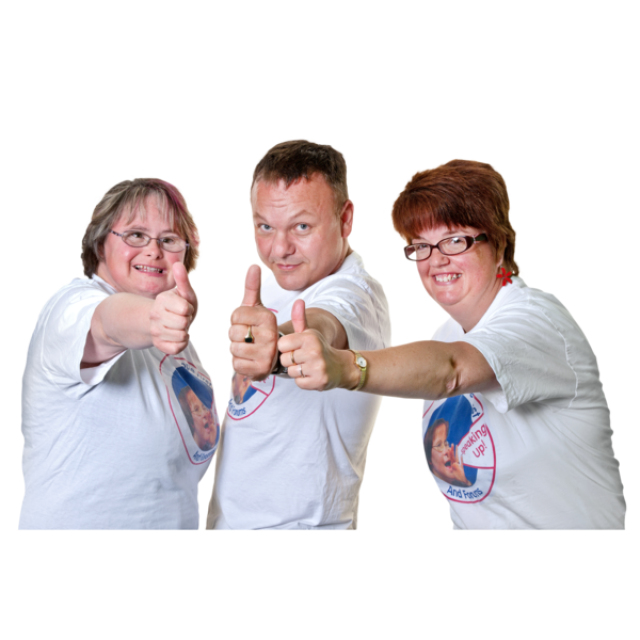
Everyone deserves to belong.
You might also be interested in
Keeping healthy (easy read)
Looking after your mental health (easy read)