
The importance of being eye care aware
By Joanne Kennedy
Hello everyone! My name is Joanne, and I’ve been working as an Eye Care Champion at SeeAbility in the North West for over 6 years now.
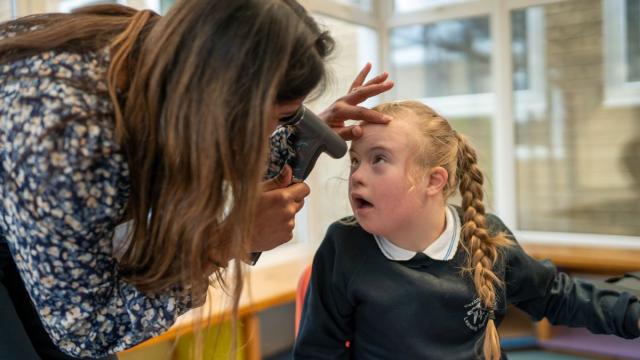
As an Eye Care Champion, my job is to raise awareness of the importance of looking after your eyes, as well as to help make eye care more accessible for people with disabilities.
Over the years, this has involved delivering presentations to professionals in the eye care world, such as optometrists, university students and senior members of the NHS. Joanne also presents to family carers and advocacy groups of people with learning disabilities
By presenting to a wide variety of professionals and future professionals, we are able to influence change in existing optometry practices, as well as build the future of optometry by giving students the perspective of a person with lived experience of disability.
Many of my presentations focus on the Easy Eye Care Pathway, which has been adopted by many eye care services up and down the country. It offers adjustments to eye tests for people with learning disabilities, such as accessible pre-test questionnaires, longer appointments and plain English test results.
The challenges people with learning disabilities face
People with learning disabilities are ten times more likely to have sight loss, but can find it difficult to attend an eye test for a variety of reasons. Everything from the physical accessibility of the opticians, to confusion around the cost of eye tests and glasses, can make it difficult. Some people can struggle to communicate if they are having problems with their sight.
We believe that everyone should have an equal right to sight – people with learning disabilities and autism shouldn’t be missing out on good eye care just because of the way that services are often provided. We have to remove as many barriers as possible to looking after your eyes.
Top tips for caring for your eyes
- Go for regular, annual eye tests.
- Remember to wear your glasses and keep them clean!
- Don’t spend too long looking at screens - take regular breaks!
- If you’re supporting someone with a learning disability, make sure you pay attention to any changes in their behaviour (such as becoming withdrawn, or bumping into things), as these could be due to a change in their vision.
Our resources and support
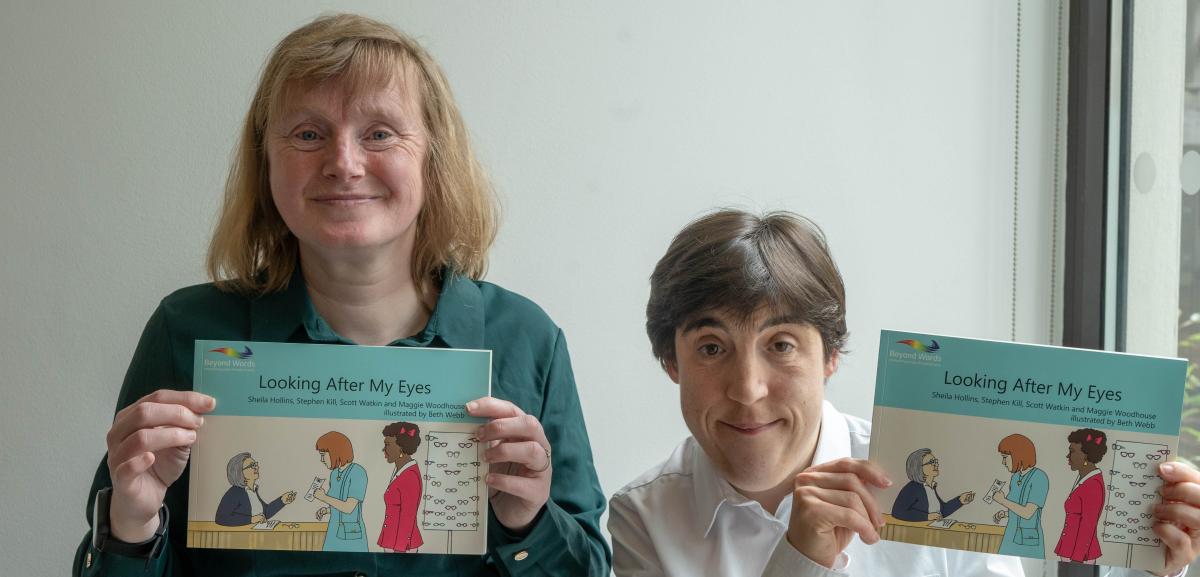
- Our easy read resources – we have a wide selection of easy read eye care resources for every stage of the eye care journey, and covering a variety of common conditions
- Find an optometrist – this handy tool on our website can help you to find local opticians in your area who fit your accessibility requirements.
- How to look after your eyes when using screens
- Use our Functional Vision Assesment tool to look for possible signs of sight loss -
- Find out which areas provides the Easy Eye Care service