

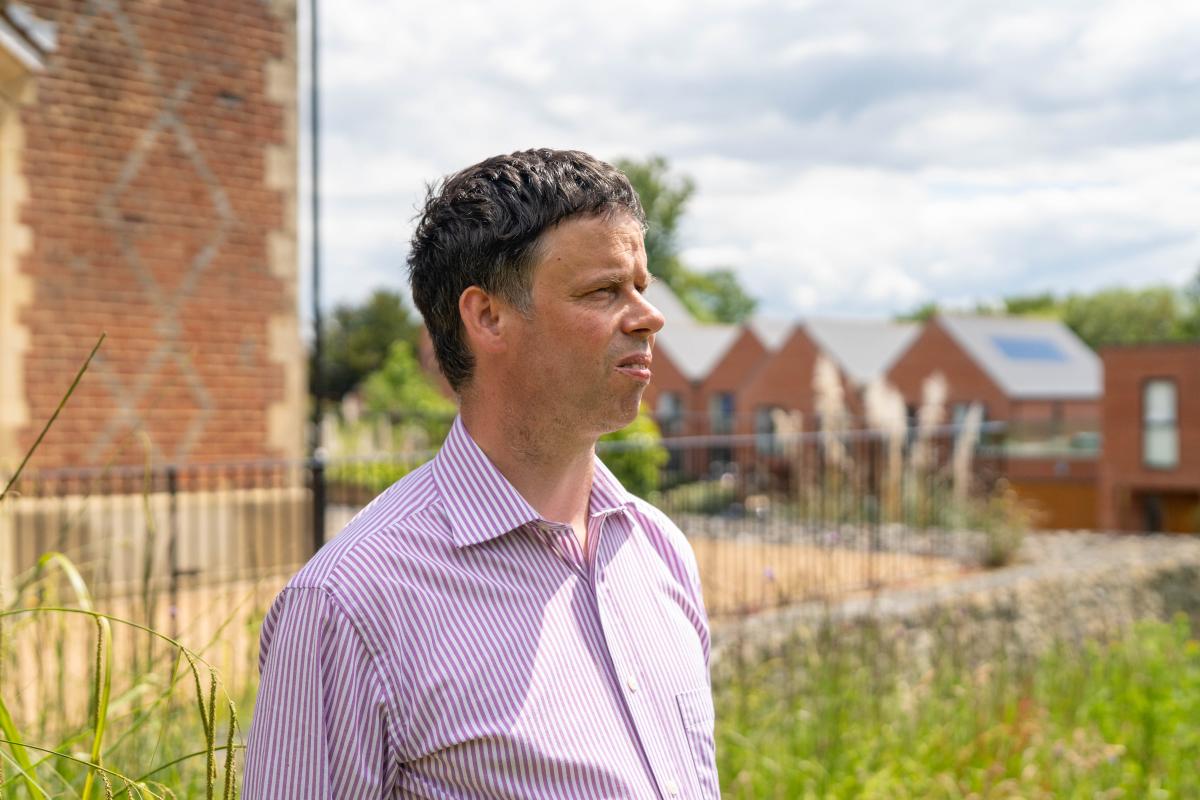
Fixing social care means fixing it for everyone
With the Prime Minister setting out his plan for social care in his first Labour conference speech, Head of Engagement Scott Watkin gives his views on what was missing.
When the Prime Minister spoke about social care and made such a personal pledge to reform it – I don’t doubt he really meant what he said. Here at SeeAbility we appreciated that he thanked and recognised social care workers too in his speech.
And I got why he spoke about older people. He wanted to appeal to the public watching – who often only think about social care in this way. Most people can relate to getting older and what might happen if they need support.
But as the detail started to come out later, it became clear that his pledge for free personal care was only meant for older people.
That is massively disappointing.
Adult social care is not ‘fixed’ until you recognise working age people have a 50% stake in it. Half of council budgets on adult social care is spent on working age disabled people. And not everyone is getting this support for free either – disabled people are finding charges for their care are leaving them in poverty too.
So free personal care matters as much to disabled people as it does to older people too.
The fundamentals of what a National Care Service should look like have been left with Baroness Casey and her Commission. Her report will come sooner than expected, but it looks like major reform will all depend on the next general election and whether she can get all the parties to agree a way forward.
Baroness Casey has been given two jobs. She is considering social care for elderly people as different from social care for disability. I agree this is right.
But these two jobs should be treated equally. When the government or the Commission talk about social care, we only ever hear about older people. This is wrong. Elderly care really is only half the story.
Andy Burnham has staked his political future on fixing social care. It is great to see someone so committed to fixing a system that has not been fit-for-purpose for many years.
But we have to be clear about what ‘fixing social care’ looks like.
Social care will only be fixed if it is fixed for everyone. Half a fix is not a fix at all.
And if we are being ambitious about the future of social care, we have to consider what good social care looks like. Good social care does not just help someone keep clean and fed, but also to live an equal life to others, no matter their age or disability.
I would go so far as to say that a National Care Service should be thinking of disabled children too, as this is about lifelong support.
My team and I will continue to make our voices heard, and you can too. The Casey Commission are taking evidence to the end of this year. You can write to them to let them know your thoughts.
Social care reform is welcome - but people with learning disabilities must be part of the conversation

Call to end healthcare inequalities delivered to Downing Street
Written off and written out: why we need to put learning disability healthcare back into the new NHS
Listen Up! attends the Learning Disability England Conference

Making pavements more accessible for wheelchair users
