
Written off and written out: why we need to put learning disability healthcare back into the new NHS
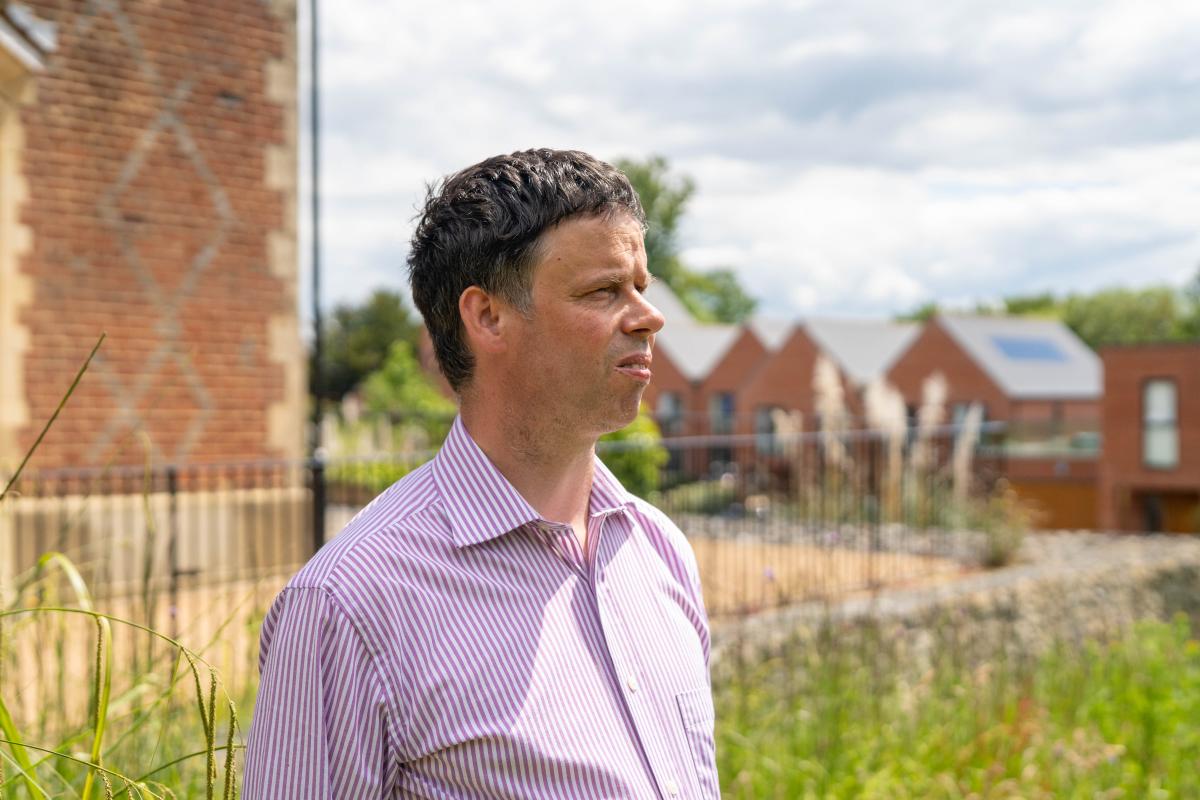
Scott Watkin BEM is SeeAbility’s Head of Engagement and leads the Listen Up! Team. Scott is also a member of the representative body for Learning Disability England and was also Co-National Director for People with Learning Disabilities at the Department of Health 2009-2011, when the last government strategy for people with learning disabilities was in place.
Behind the scenes over the past few months Scott and Learning Disability England have been working on a new campaign. Launched this Learning Disability Week, it calls on the Prime Minister to intervene over the healthcare of people with learning disabilities.
The letter is open for anyone to sign, so please do get involved!
Over to Scott:
Over the last year I’ve become increasingly alarmed that learning disability healthcare is disappearing in NHS plans. The first warning signs were when the NHS 10 year plan came out last year.
Learning disability got just one mention. Page 36, if you’re interested.
As more and more strategies and guidance have been published this past year on what the NHS should be doing, less and less is being said about how it should be supporting people with learning disabilities.
So enough is enough.
If nothing is being said, then we become even easier to neglect.
That’s why I’ve worked with Learning Disability England on a letter calling this out. We’re writing directly to the Prime Minister to ask him to put the health of people with learning disabilities back into the heart of NHS plans.
It demands that people with learning disabilities are a part of the work to deliver a new national strategy. It calls for a better set of standards on what people with learning disabilities and their families can expect from the NHS. It demands more accountability and leadership locally and nationally. It calls for a workforce strategy.
No one is denying the good work that is going on every day. Learning Disability England’s Good Lives Framework is a great place to start.
But we all know the 20 year gap in life expectancy for people with learning disabilities hasn’t really changed. It’s even worse for people from a minority ethnic background or who have profound or multiple learning disabilities.
We know the learning disability nursing workforce has plummeted to nearly half of what it used to be, and the annual health checks are often a tick box exercise. My last one certainly was.
We have to go beyond words and empty promises.
Those promises to prevent hospitals from becoming long-term homes for people with learning disabilities and autism have not been met after 15 years. Getting community support is a constant fight for many. The digital shift in the NHS is going to leave more people with learning disabilities behind.
Discrimination and low expectations are still there. I mean, the NHS is still having to say out loud that having a learning disability is not a reason for not attempting to resuscitate someone. That is shocking!
Behind these facts are real people. Caroline’s support team had to fight for a second opinion on her cancer treatment, when she was told it was untreatable because of her learning disability. The system let her down. The persistence of her support team saved her life. Caroline got lucky.
Or Terence, who at 20 years old, after living two decades seeing only five centimetres from his face, finally got the sight test and glasses he needs through the special schools eye care service that SeeAbility campaigned for. We campaigned on that issue for most of Terence’s life.
NHS must create a new strategy focused on the health of people with learning disabilities. It is the only way to ensure that all NHS services are focused on closing the gaps, so people with learning disabilities don’t fall through them.
If you agree, please sign the Open Letter to the Prime Minister through the Learning Disability England link below.
It will be delivered in July to the doors of Number 10, so let’s have our voices heard!
Further reading
Good Lives Framework (2023) Learning Disability England
You might also be interested in
Listen Up!
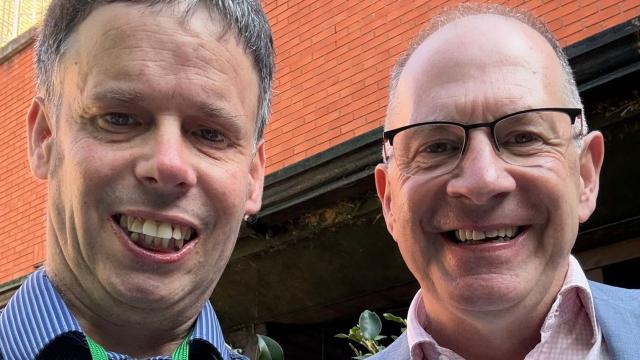
Listen Up! attends the Learning Disability England Conference