

Saving money in winter (easy read)
How to spend less money on energy in your home.
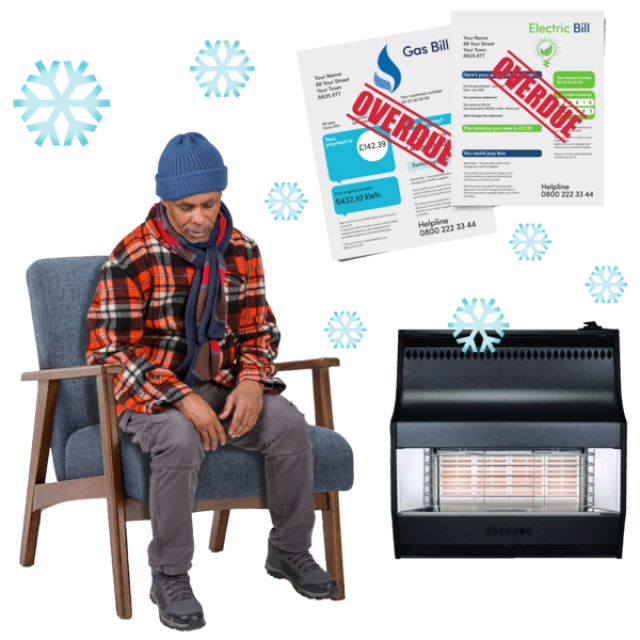
Your home can cost more money in winter.
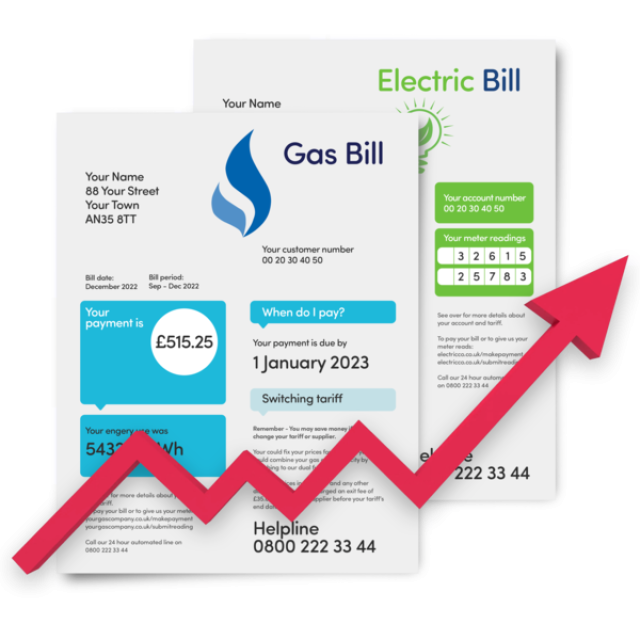
We use more energy in winter which costs more money.
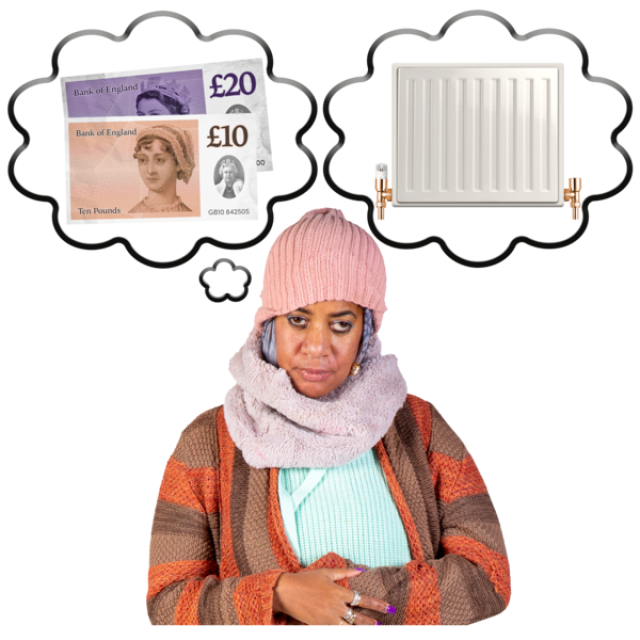
This guide gives you tips on saving money in winter.
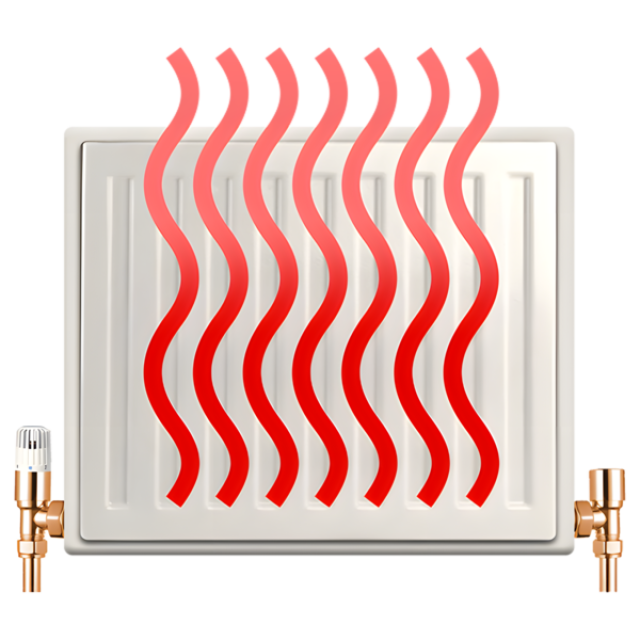
We use more energy in winter on things like:
- Keeping our home warm
- Lighting our home
- Having hotter baths or showers
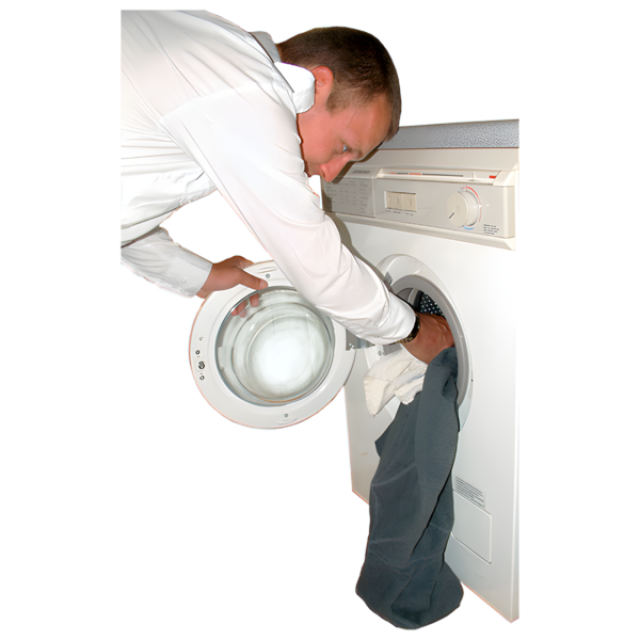
- Drying our clothes
- Drinking more warm drinks
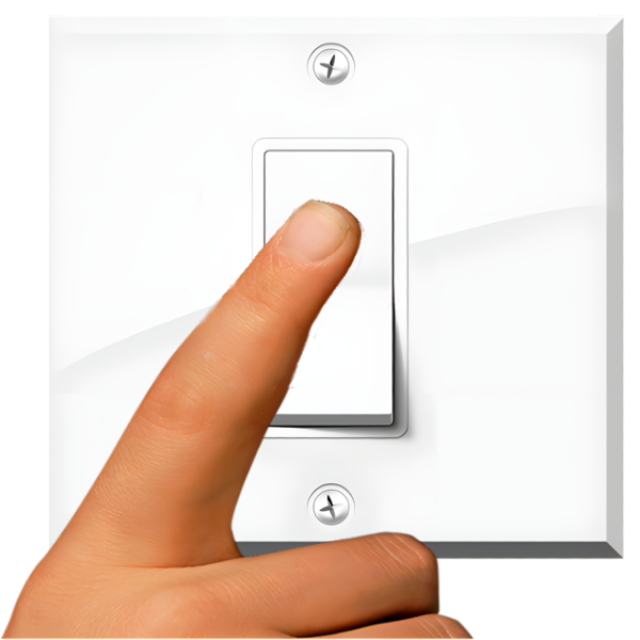
Switch lights off when you leave a room.
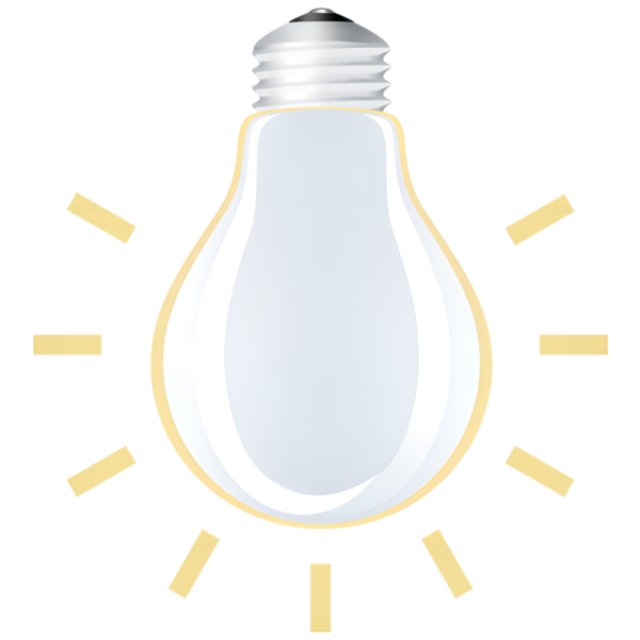
Use LED lightbulbs, which use less energy.
Turn off your TV at the plug socket when you are not watching it.
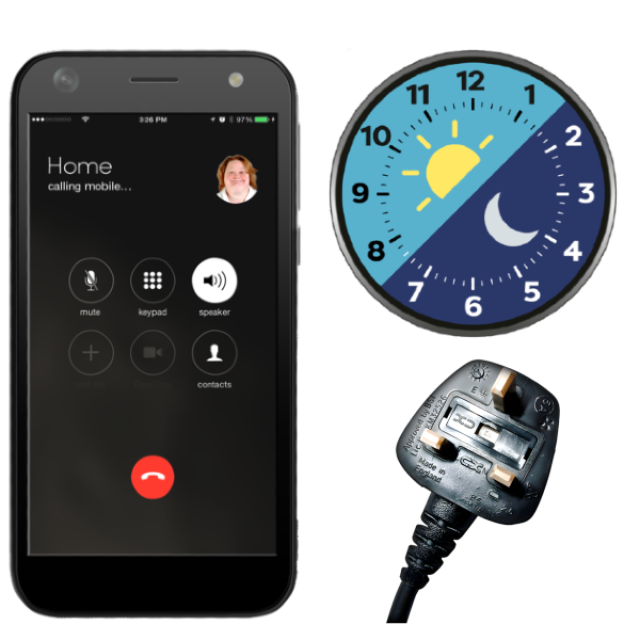
Try not to charge your phone or laptop overnight.
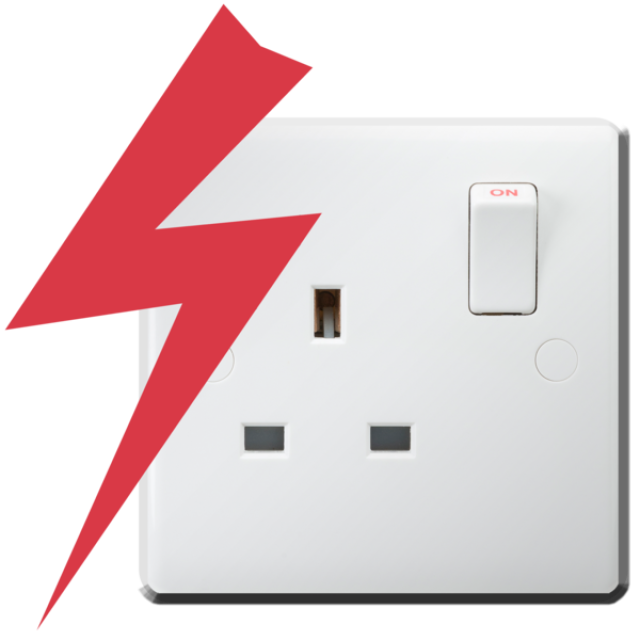
Do not keep electrical items charging when you do not need to.
This wastes energy.
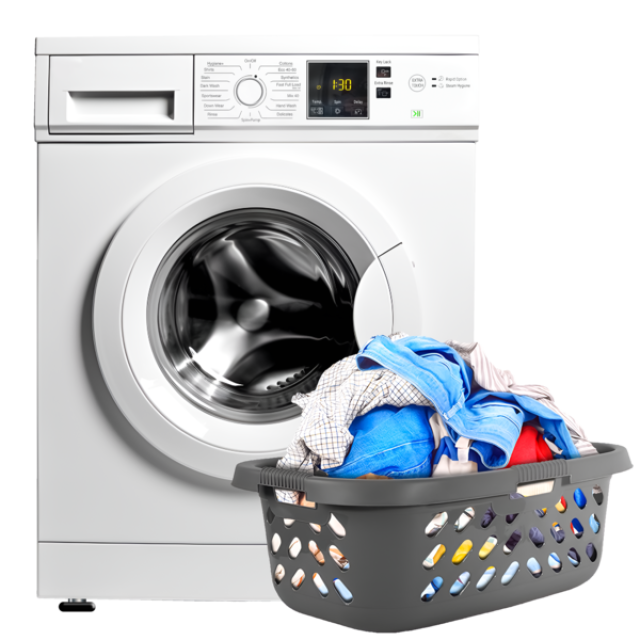
Wait until you have enough clothes to fill the washing machine before using it.
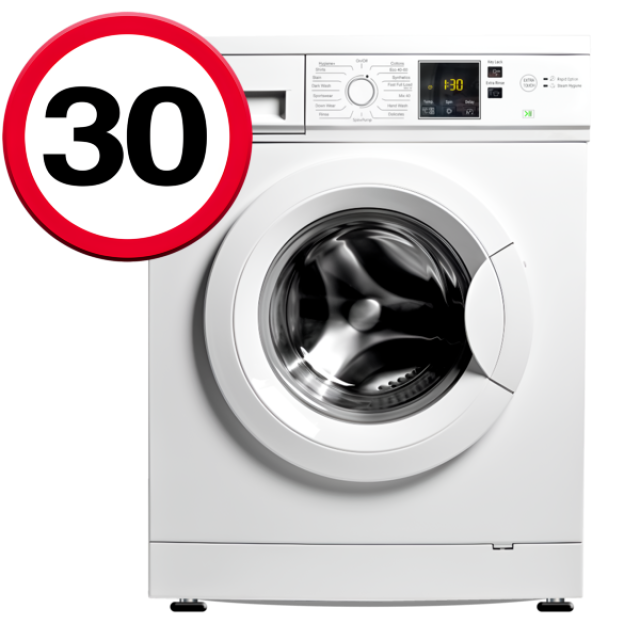
Wash your clothes at 30 degrees or lower.
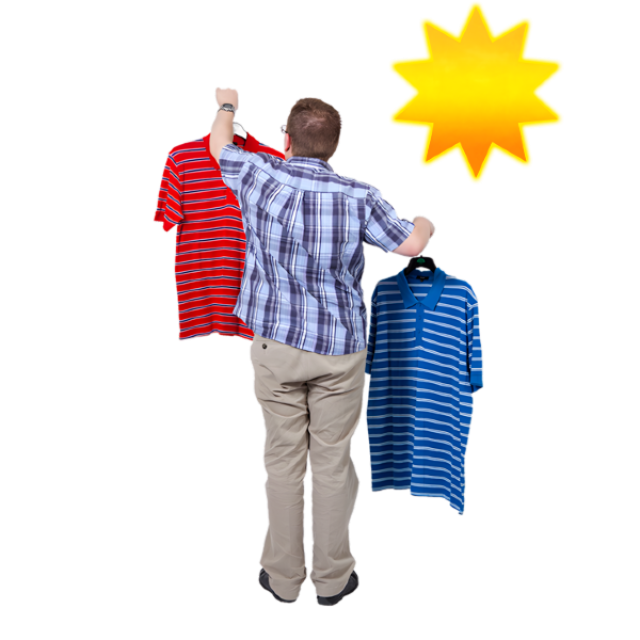
Only use the clothes dryer if you need to.
Dry them outside if you can.
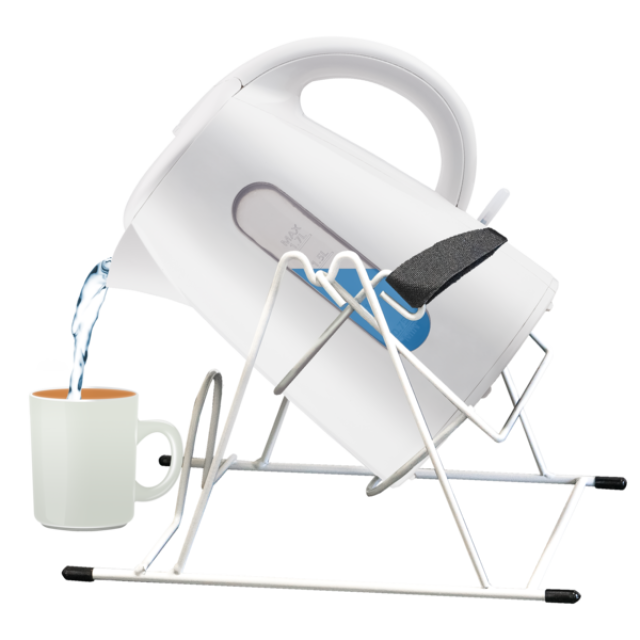
When you use a kettle, only boil the amount of water that you need.
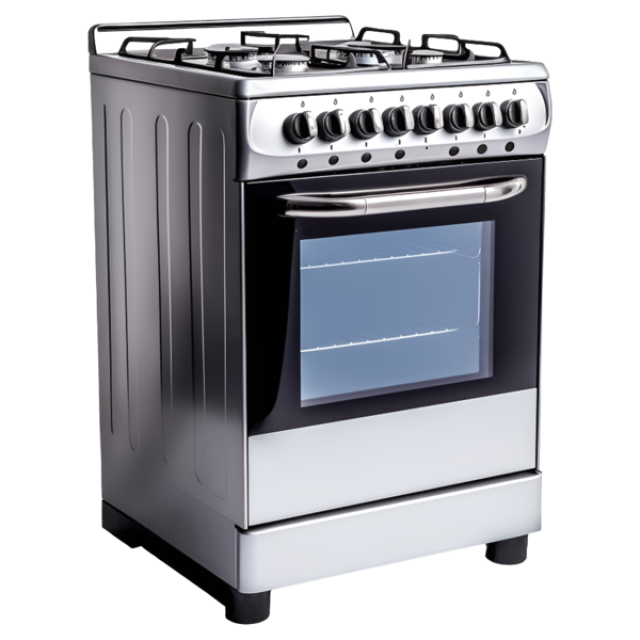
When you use the oven, keep the oven door closed as much as you can.
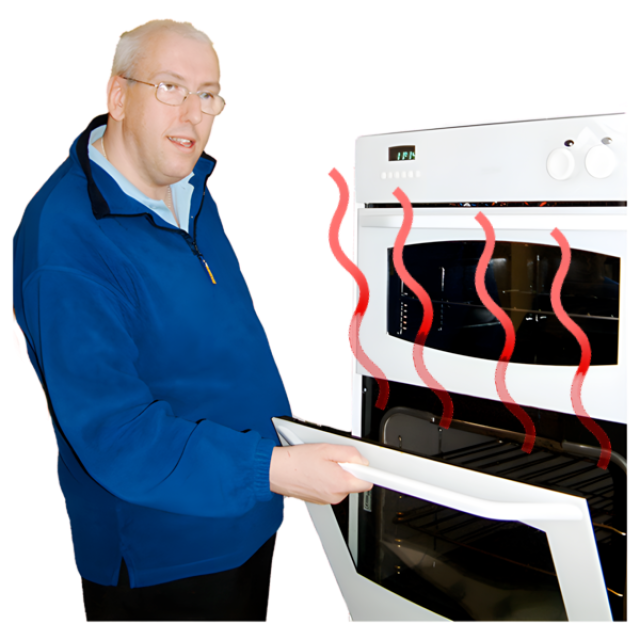
Opening the oven door lets warm air out.
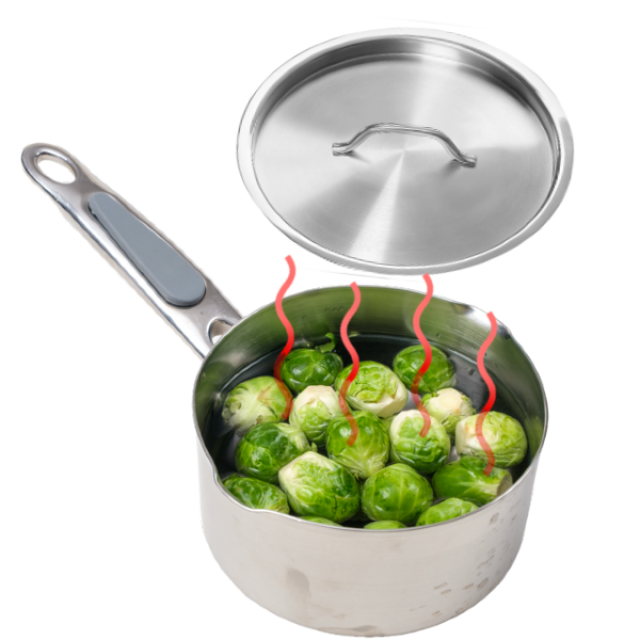
Put a lid on your saucepans when you are cooking.
This stops heat from escaping.
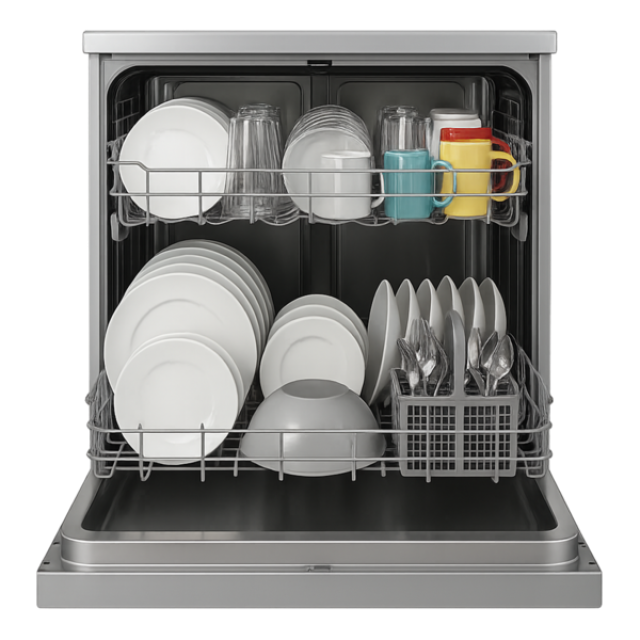
Wait until your dishwater is full before turning it on.
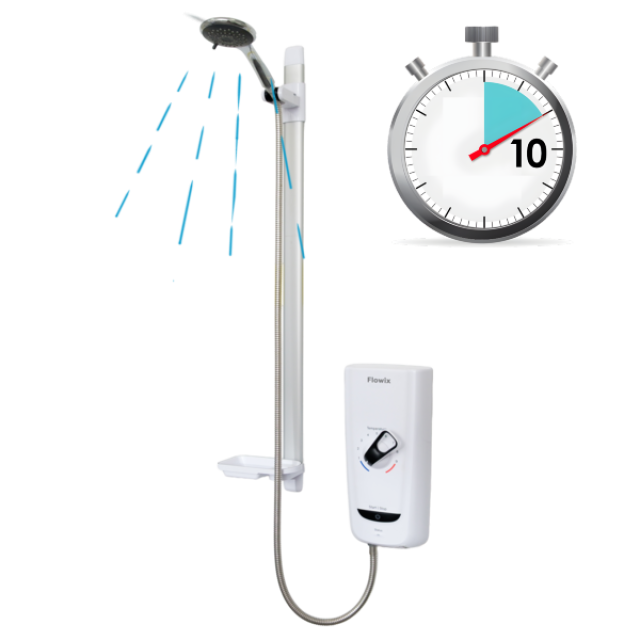
Try to take short showers.
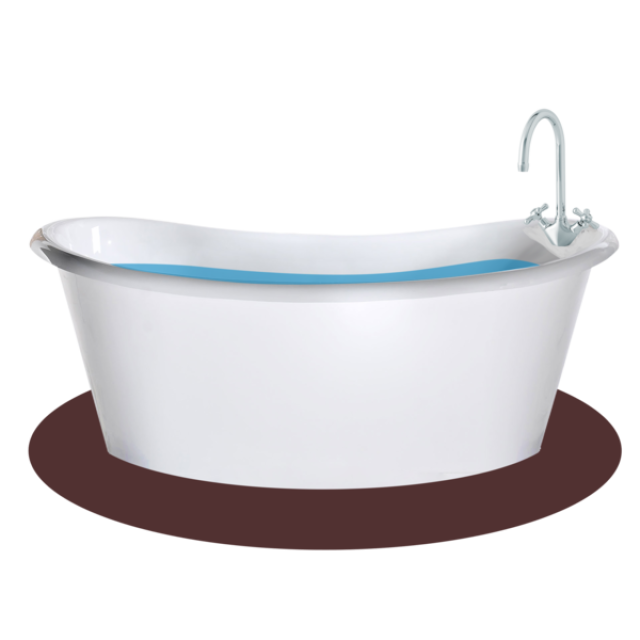
Showers use much less energy than baths.
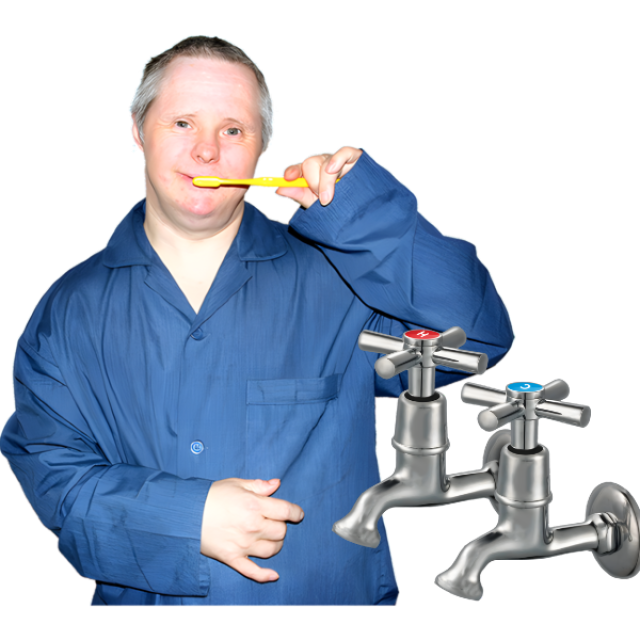
Turn the tap off when you are brushing your teeth.
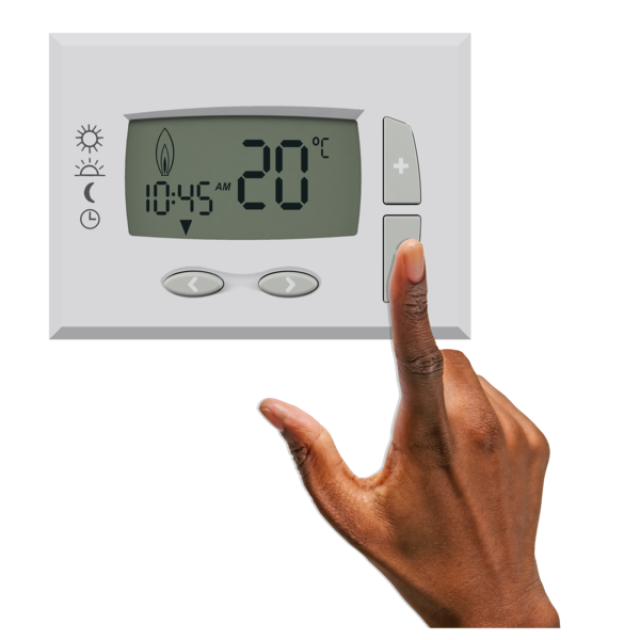
Try to set your heating between 18 and 21 degrees.
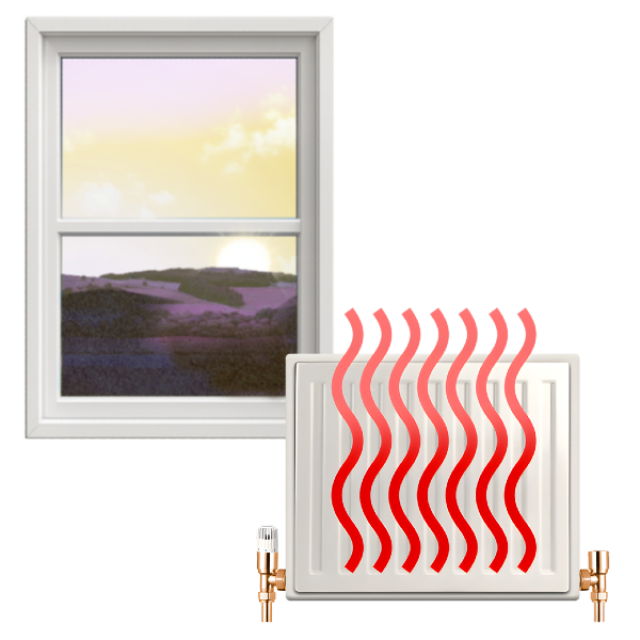
Keep doors and windows closed when you have heaters on.
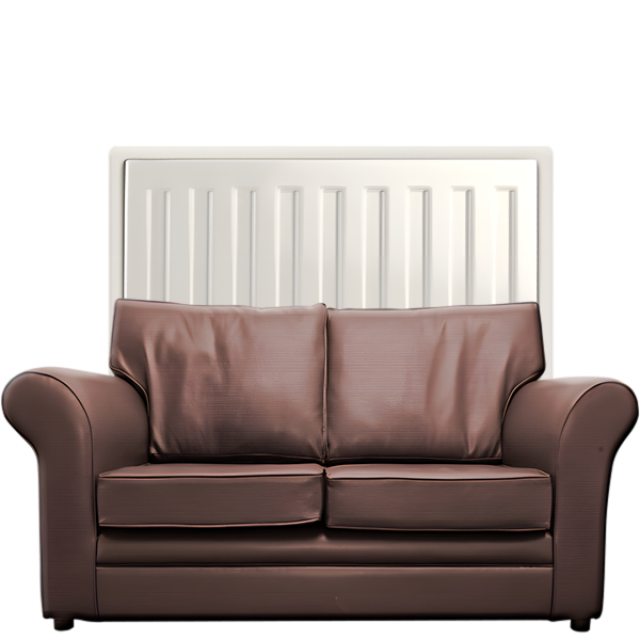
Try not to put furniture in front of heaters.
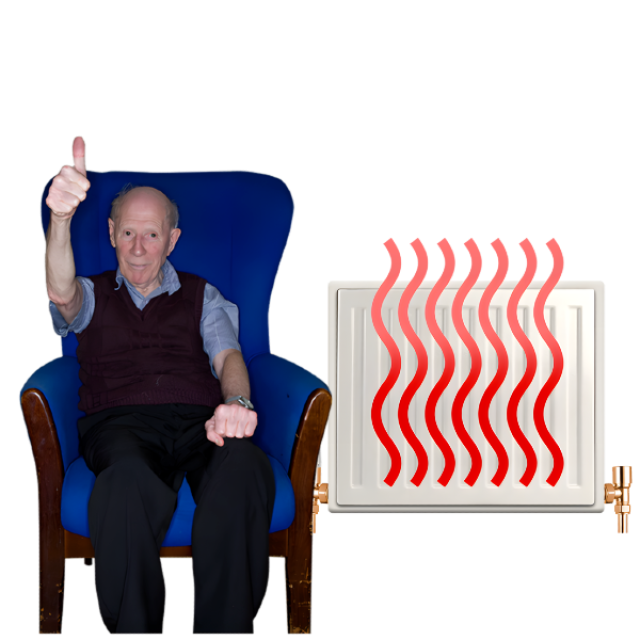
This can stop the heat from keeping the room warm.
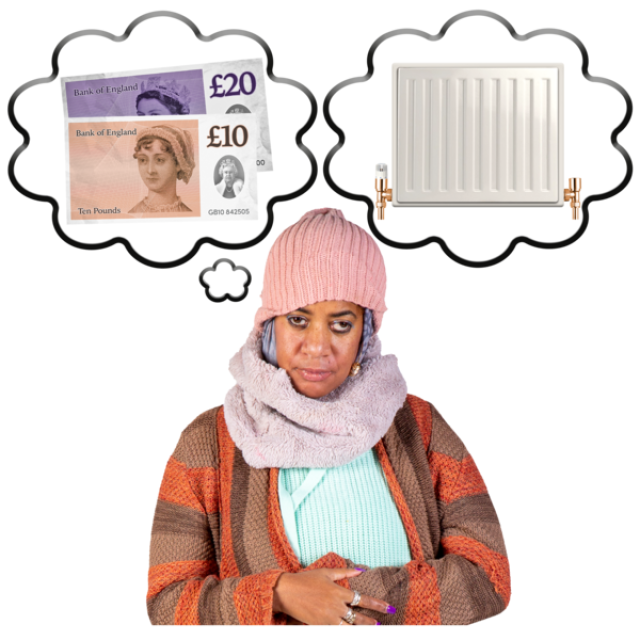
If you pay your energy bills yourself, you can get more help from Citizens Advice.
You might also be interested in

Looking after your mental health (easy read)
Keeping healthy (easy read)