
Taking the bus in the UK (easy read)
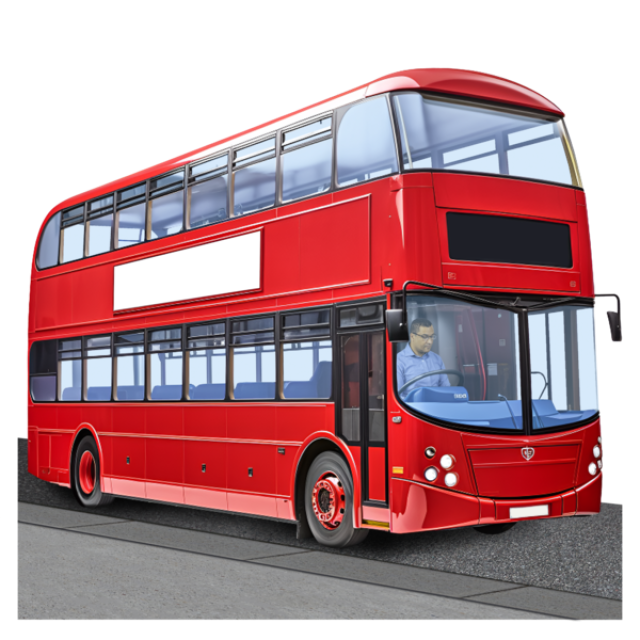
This guide helps you travel by bus in the United Kingdom (UK).

It shows how to plan your journey and get help if you need it.
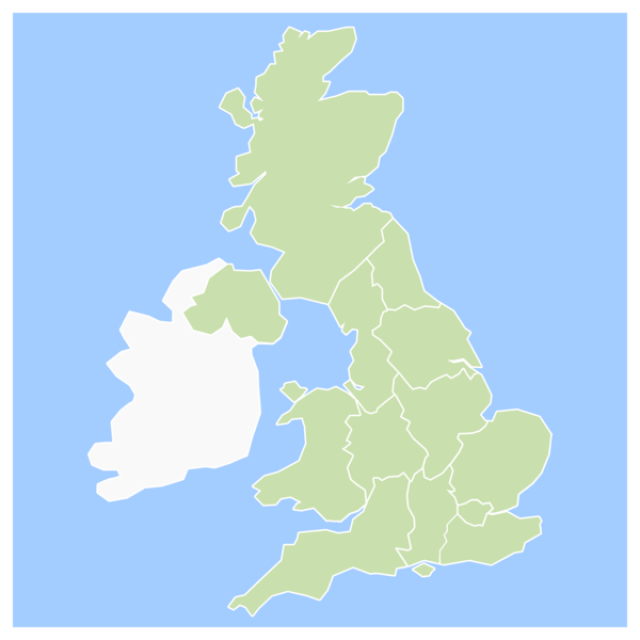
Buses run in towns and cities across the UK.
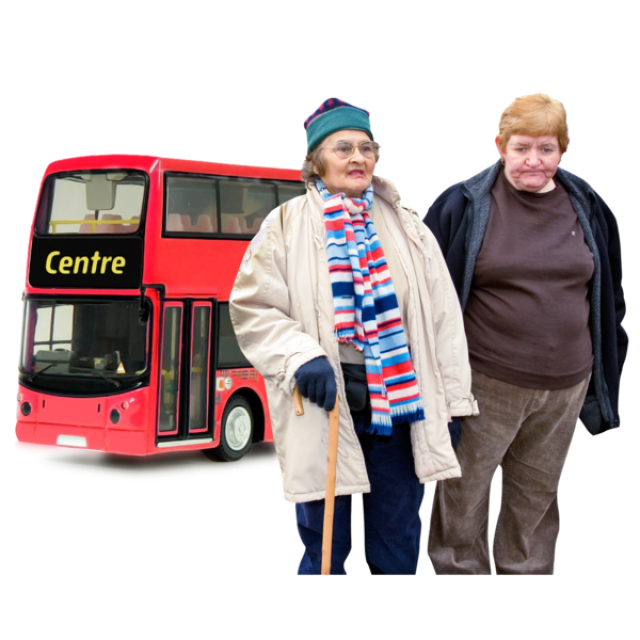
They can be a great way to travel and be independent.
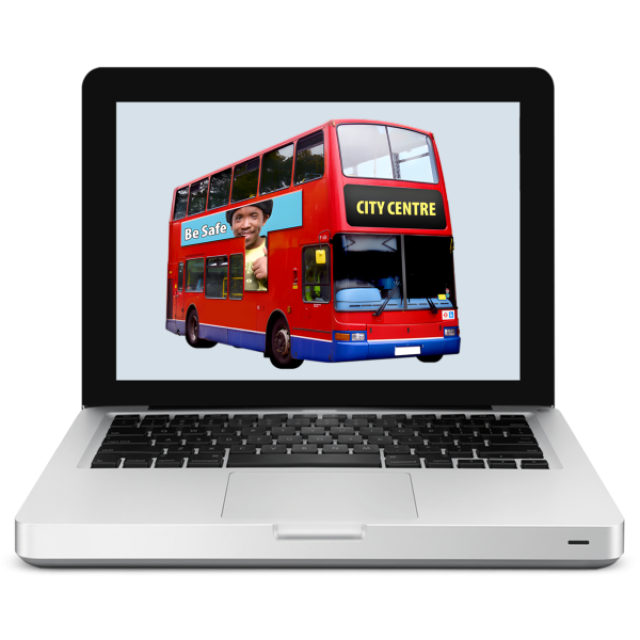
You can use your local bus companies' website or app to find:
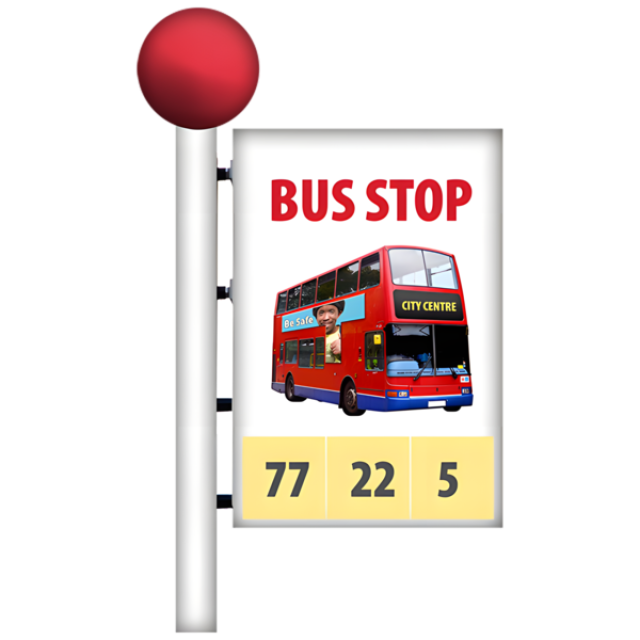
- Where your nearest bus stop is
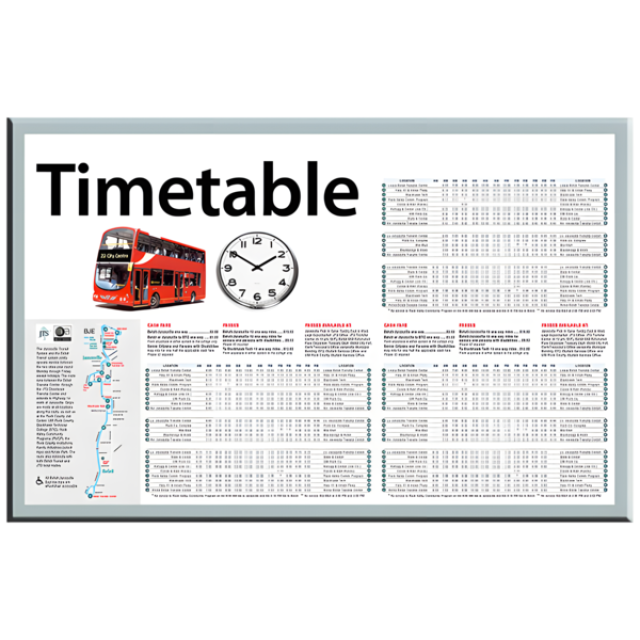
- The time the bus arrives
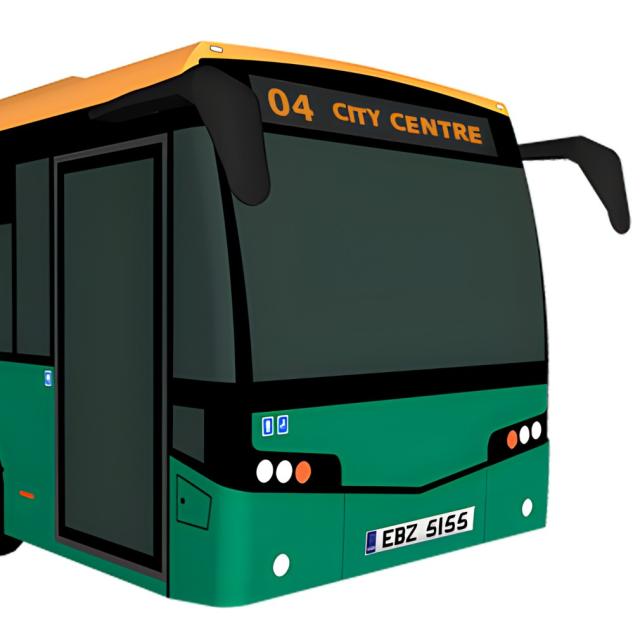
- The number of the bus you get to get

- Where to get off the bus
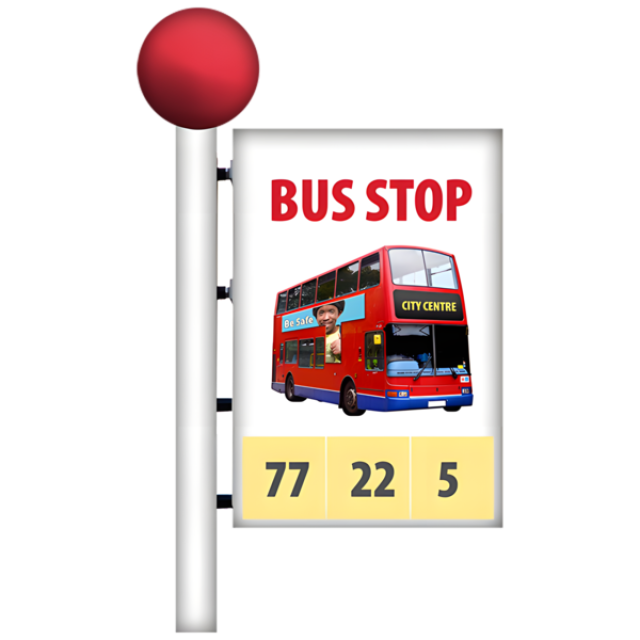
You get on the bus at a bus stop.
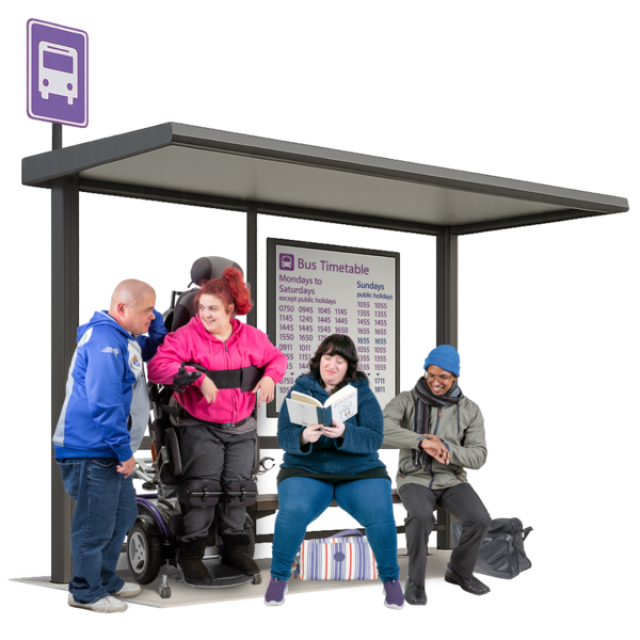
A bus stop is usually a bench or a pole with a bus sign.
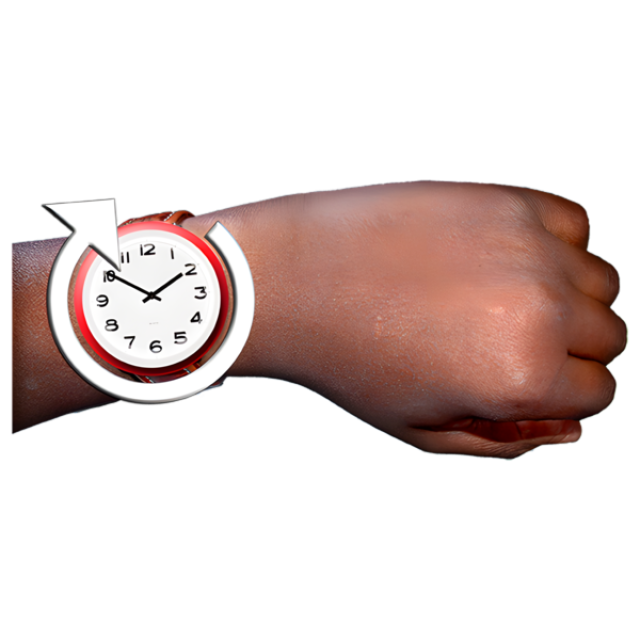
Get to the bus stop before the bus is due to arrive.
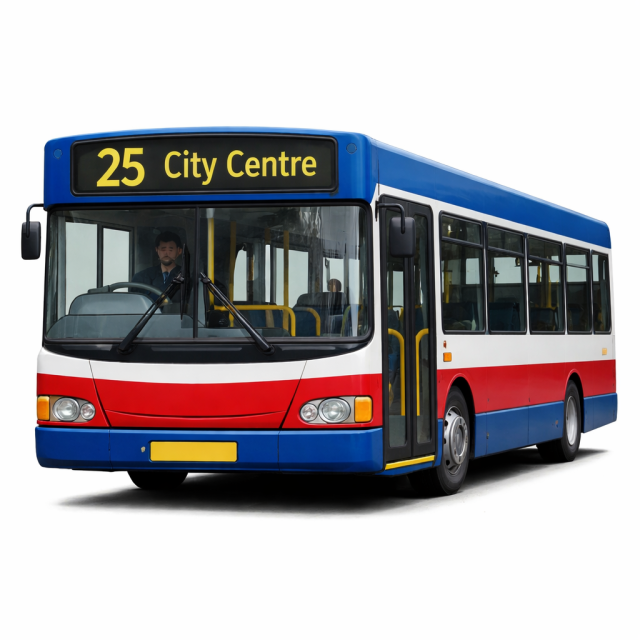
Look for the number on the front of the bus.
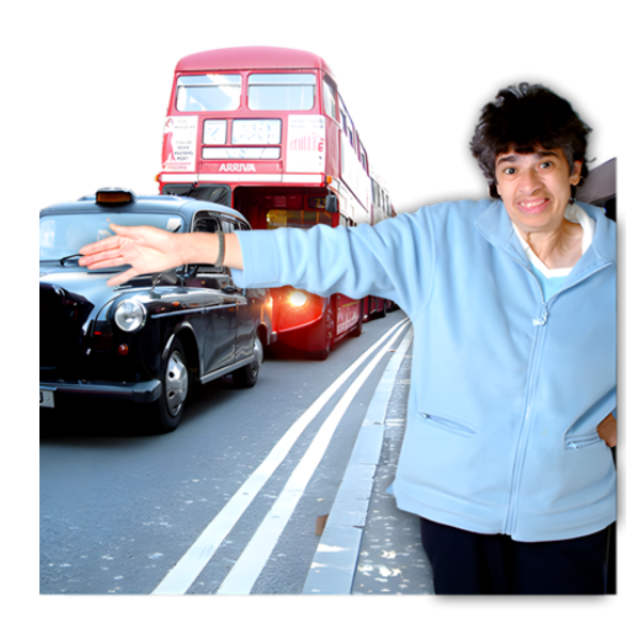
Wave your hand so the driver knows to stop.
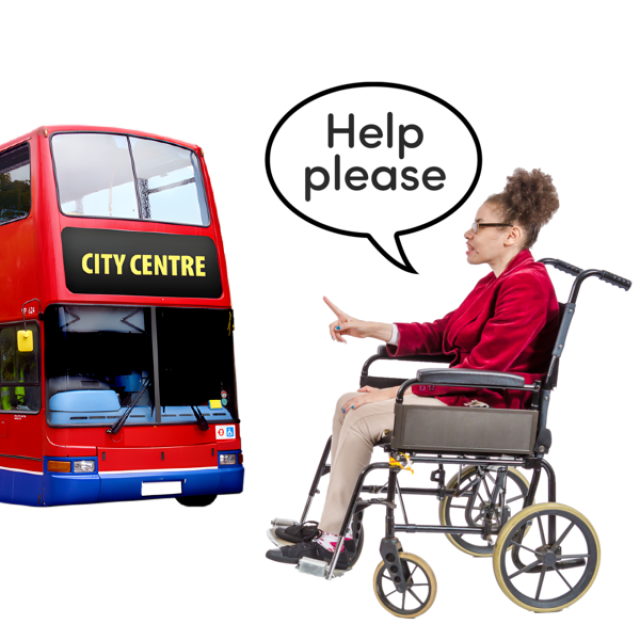
Tell the driver if you need help getting on the bus.
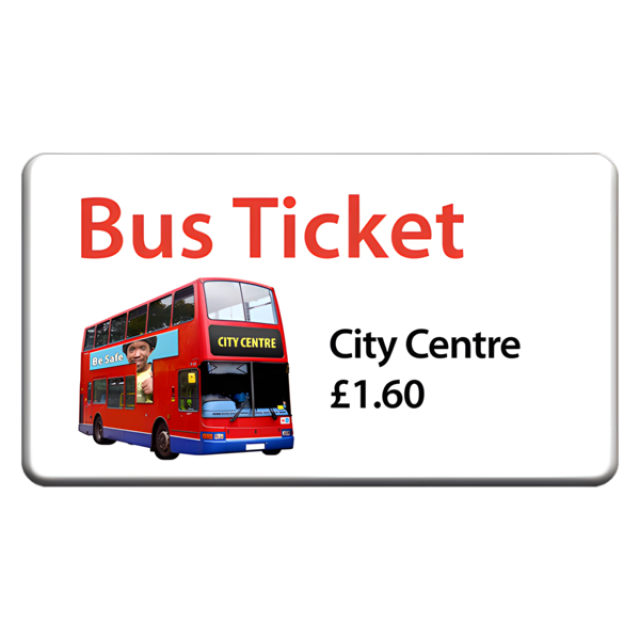
You will need to pay for the bus.
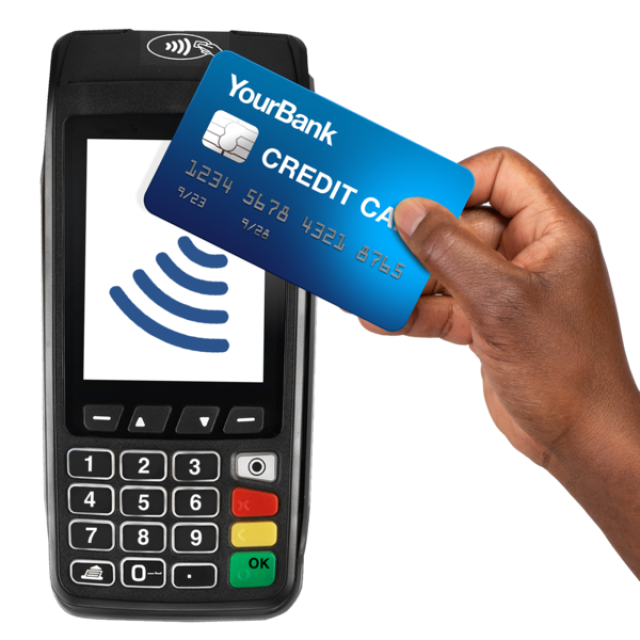
You can usually pay with:
- A bank card
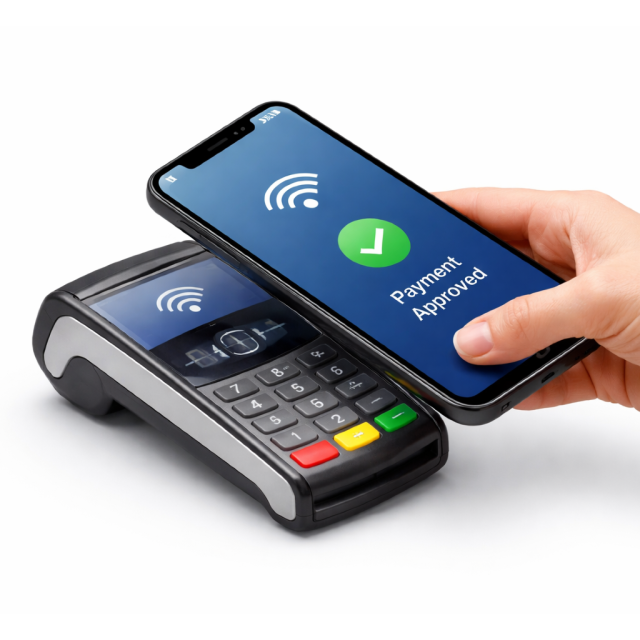
- Your mobile phone

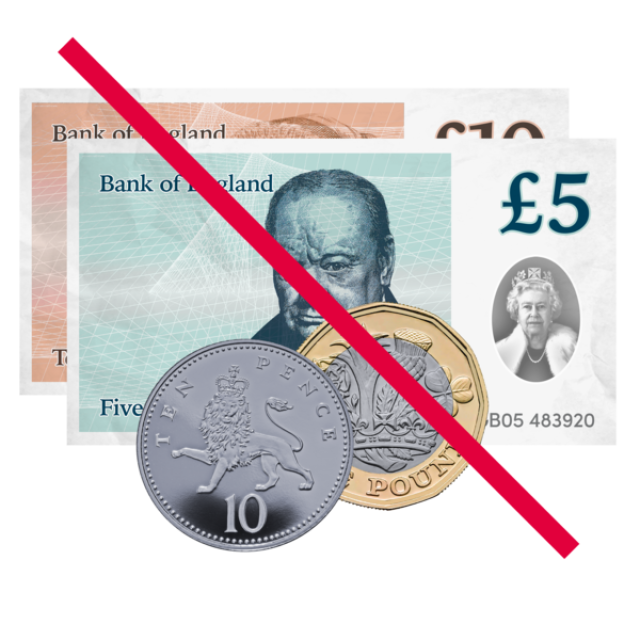
- Cash
Not all buses take cash
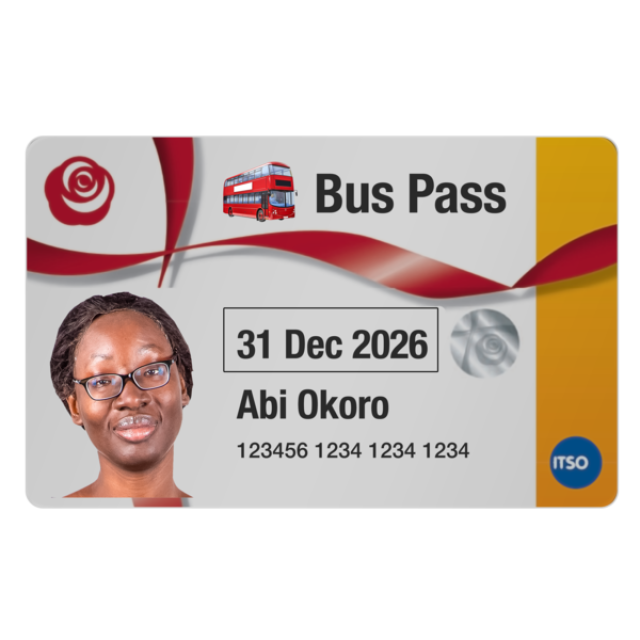
- A bus pass

You might be able to get a disabled bus pass.
This will make some bus journeys free.

Find out more about the disabled bus pass on the Gov.UK website.
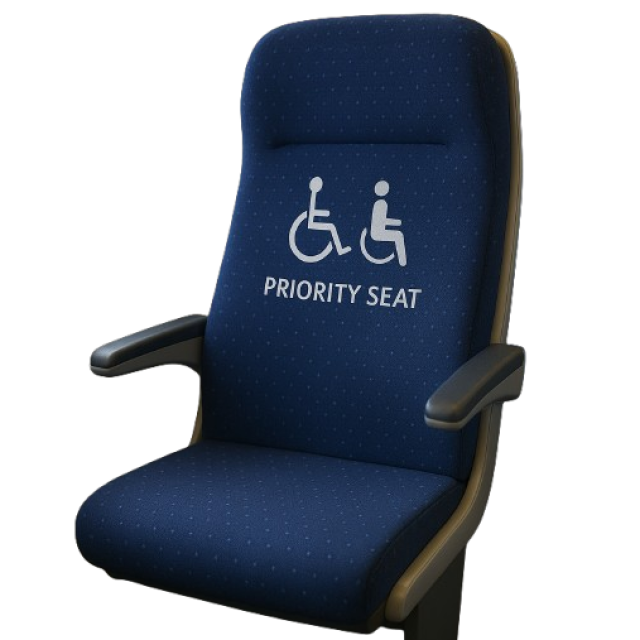
Buses have priority seats for people who need them.
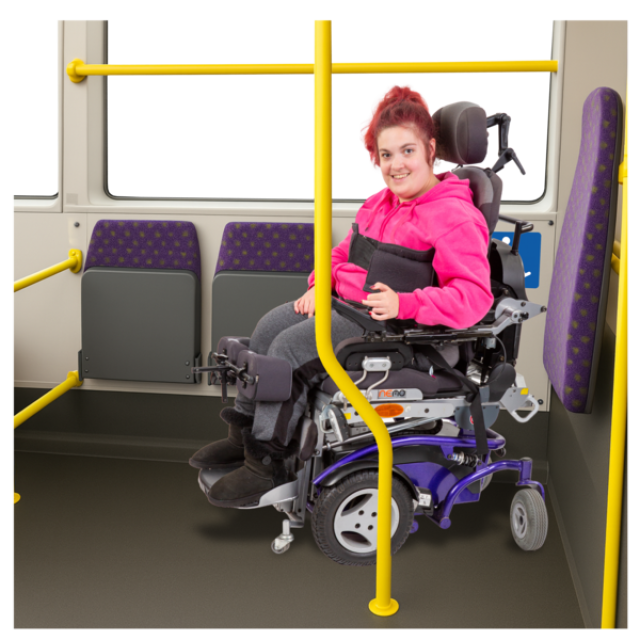
There should be spaces for wheelchairs.

Make sure you hold on when the bus moves.
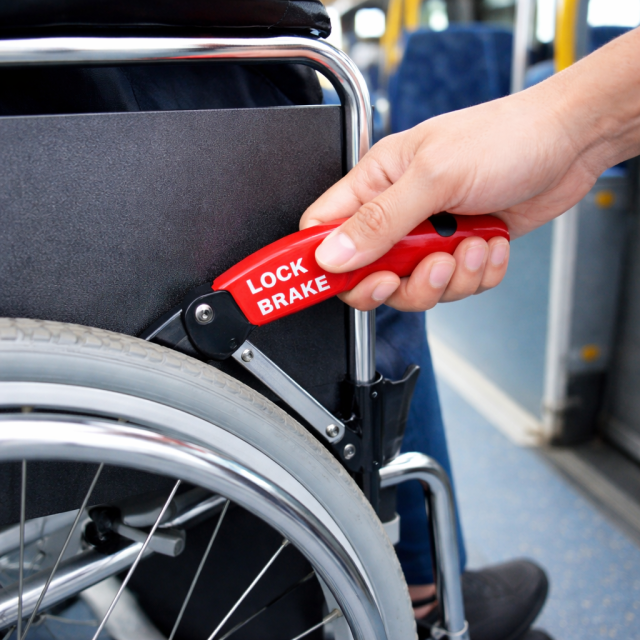
If you have a wheelchair, put the brake on.
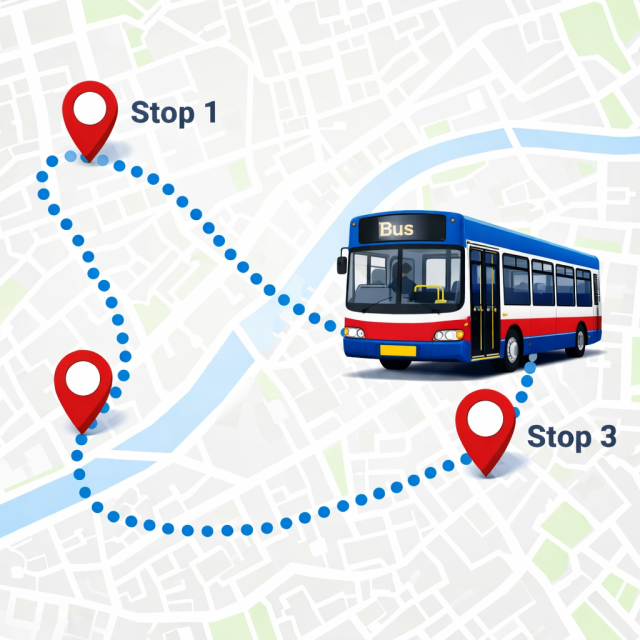
The bus will stop at different places.

Some buses say what the next bus stop is out loud.
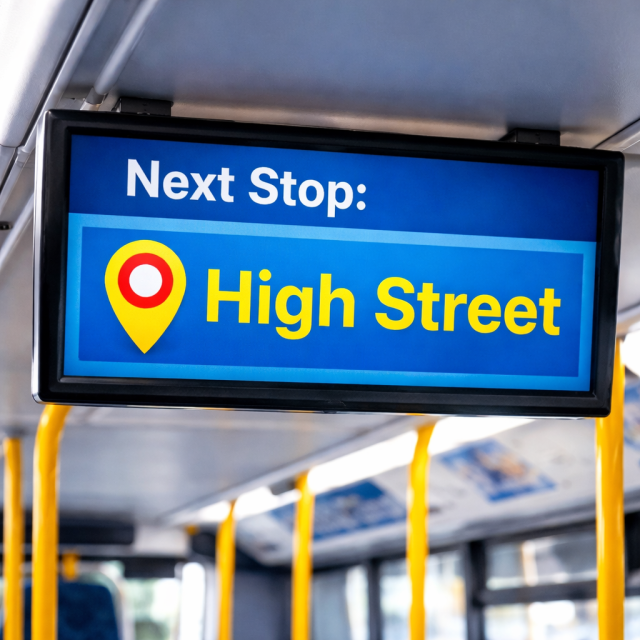
Some buses show the next stop on a screen.

Some buses do not tell you, so you need to look out for your stop.
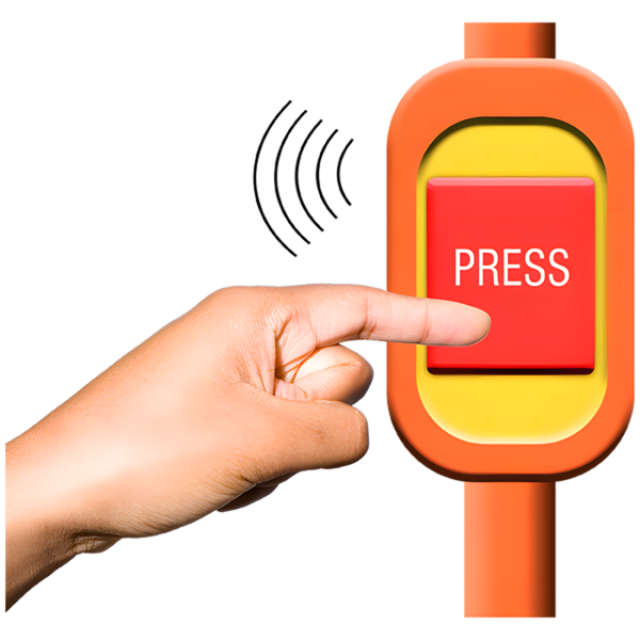
Press the button when you need to get off the bus.
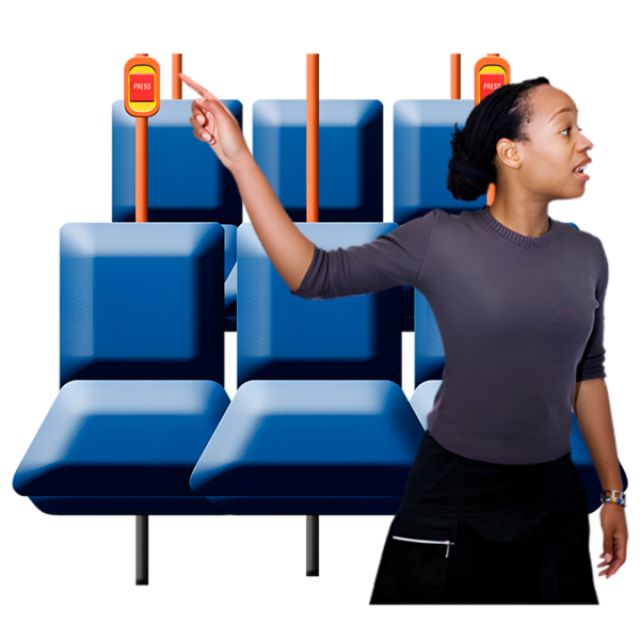
The driver may not stop if you do not press the button.
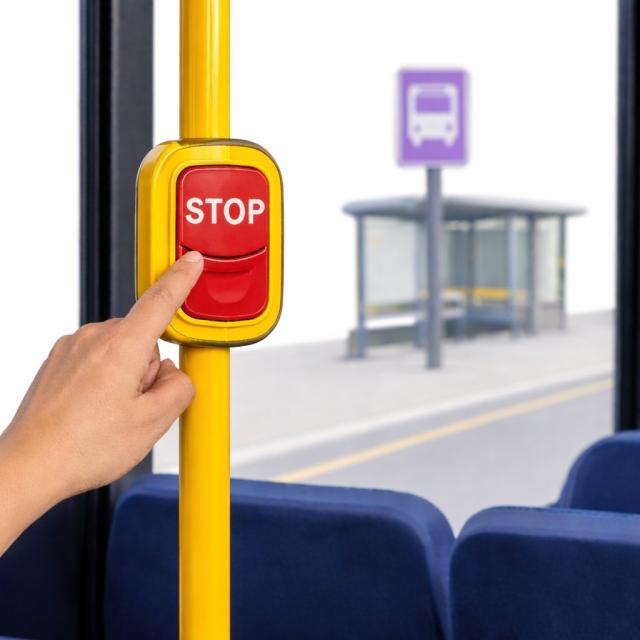
You need to press the button just before you get to the stop.

If you are worried about missing your stop speak to the driver when you get on.
You might also be interested in