
SeeAbility: Then and now
To celebrate our 225th anniversary, we visited four sites in London associated with SeeAbility. All the sites look very different now, but some carry clues about their SeeAbility past.
The Dog and Duck Tavern
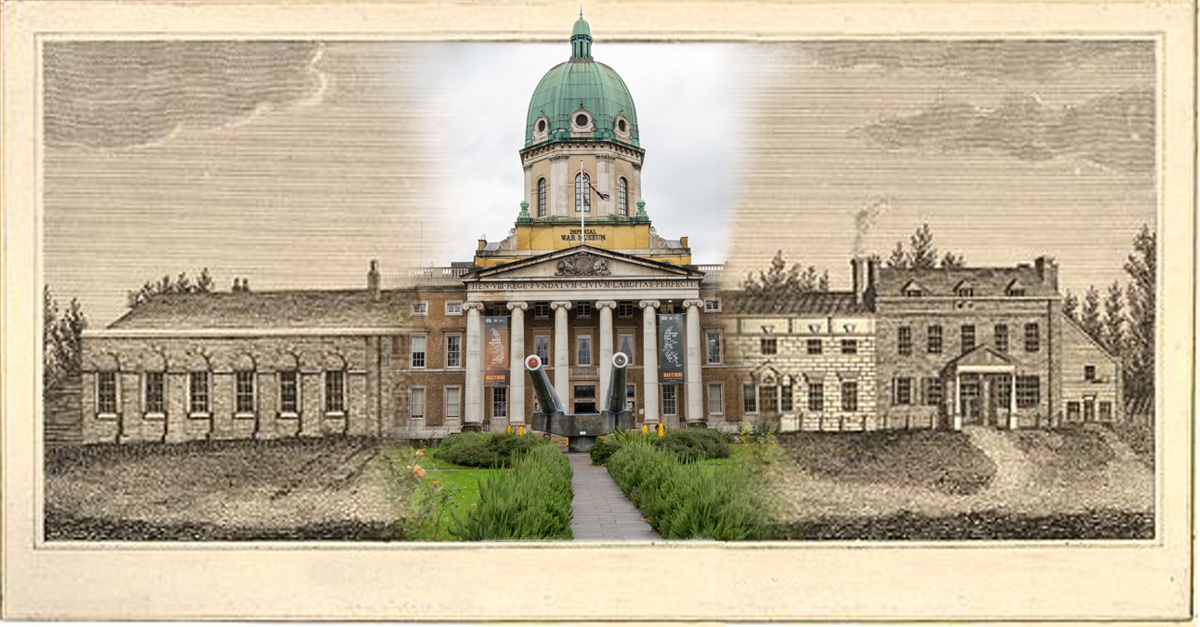
When SeeAbility was first established as the 'School for the Indigent Blind', it used the closed Dog and Duck tavern as a temporary home. The tavern had been shut down when the local government refused to extend the lease on the building following a proclamation from George III against drunkenness. It had gained the reputation as a 'receptacle for disorderly persons, and a place of assignation destructive of that morality which it was the duty of law to see preserved.'
Now, the site looks very different, with the Imperial War Museum now standing on the land once occupied by the Dog and Duck.
The first school building
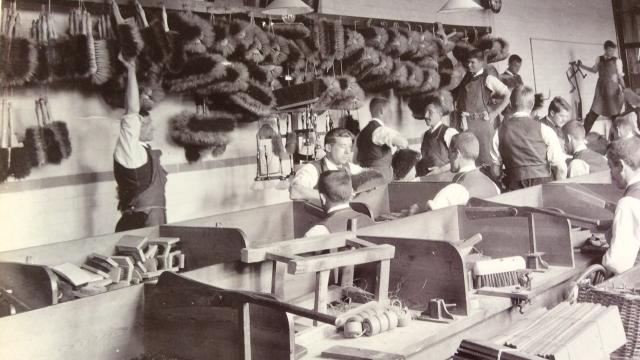
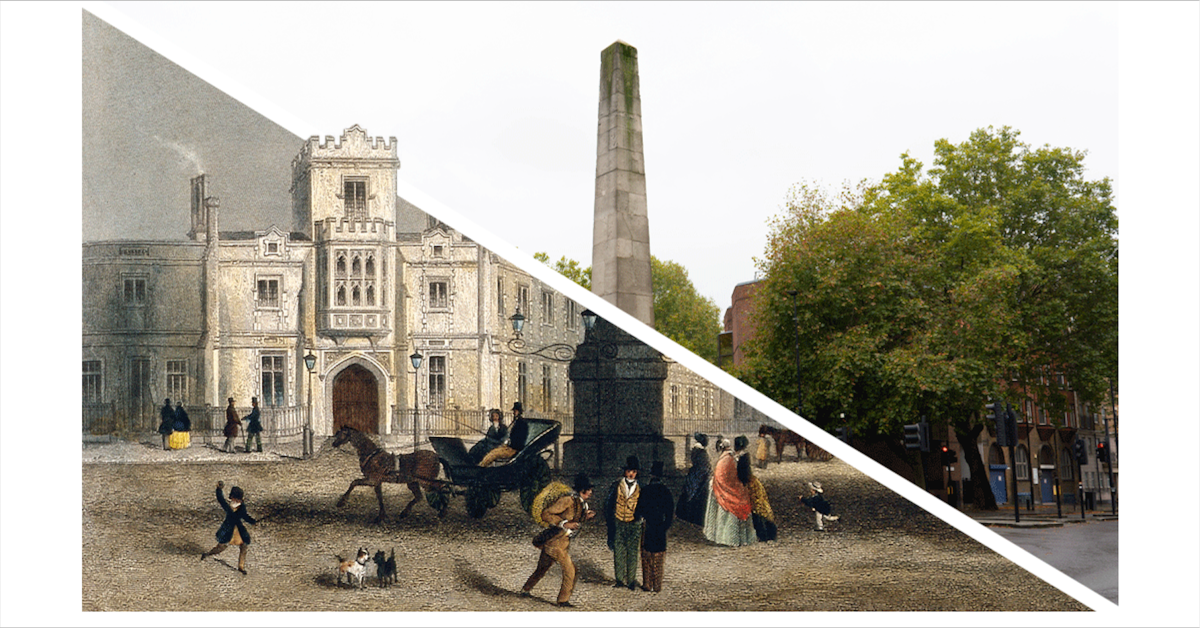
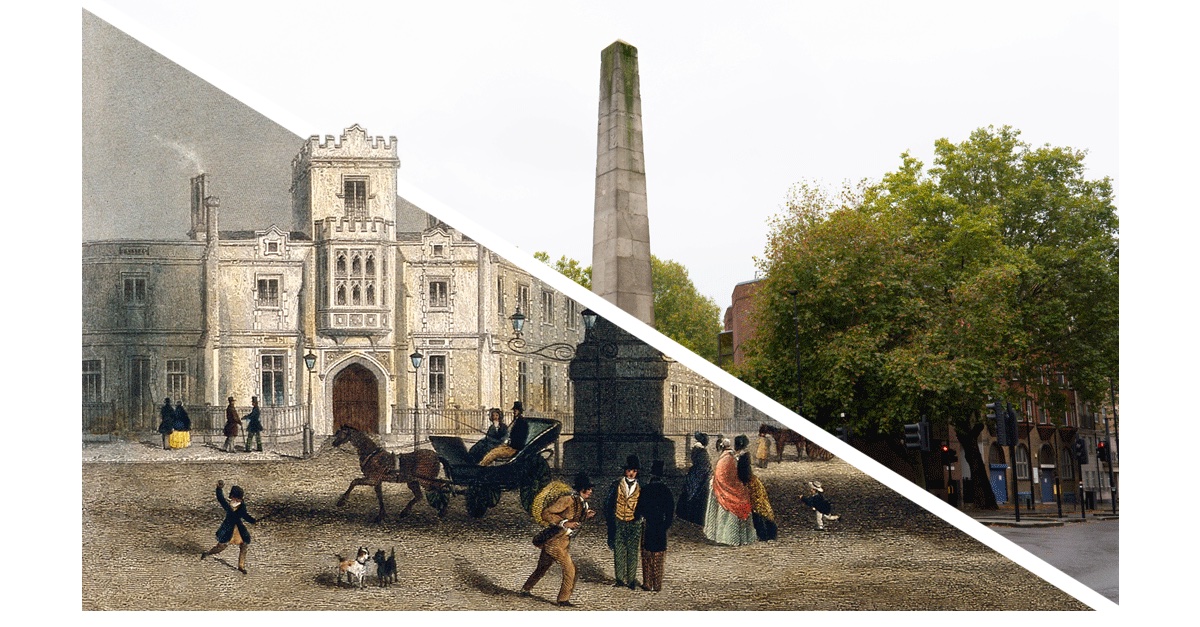
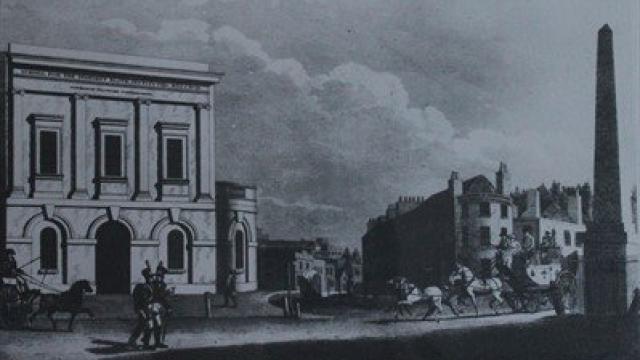
The school soon built a neo-Gothic building on St George's Circus, just down the road from the old Dog and Duck. The new building would be the school's home until the early 20th Century, when it moved to Leatherhead. It was here that people with vision impairments learnt new skills and crafts, finding employment in the school factory where they made baskets, mats, clothes and more. Queen Victoria insisted that the twine used for hanging pictures in Buckingham Palace was exclusively bought from the school.
Nothing remains of the old structure, but the obelisk outside, which can be seen in prints and pictures of the school, still stands in the middle of the Circus today.
The factory shop
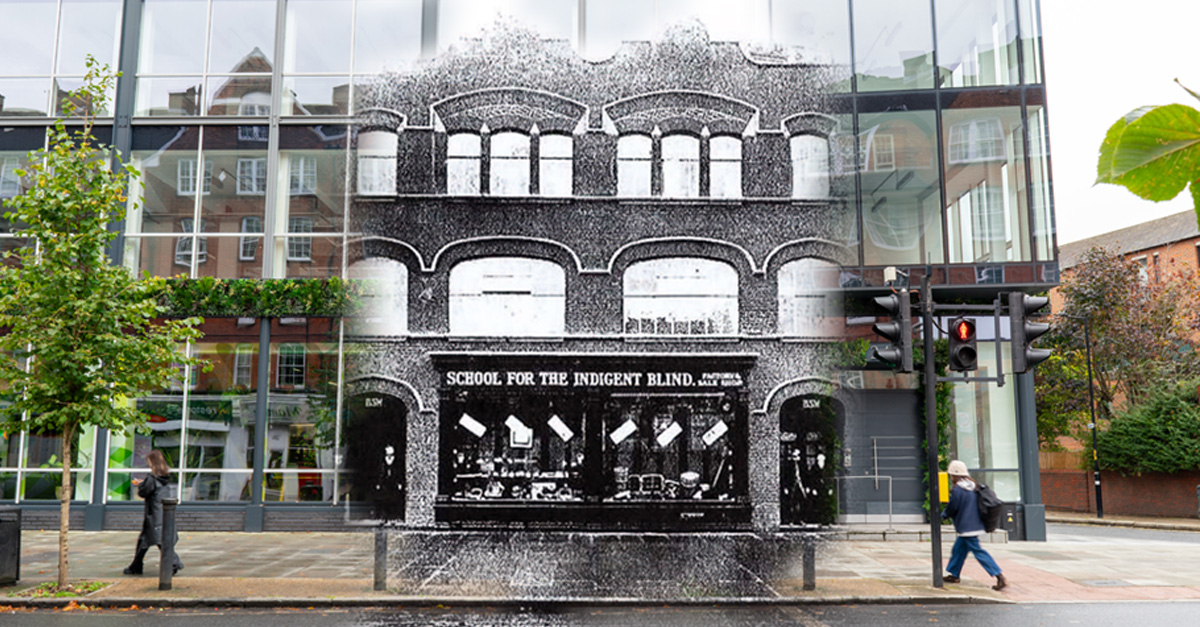
As the school factory's reputation for high quality goods increased, they set up a factory shop to sell their wares directly to the people of London. The first shop was set up at 246 Waterloo Road, a short walk from St George's Circus. A very modern building now occupies the old plot, and nothing remains of the old building.
The Oxford Street shop
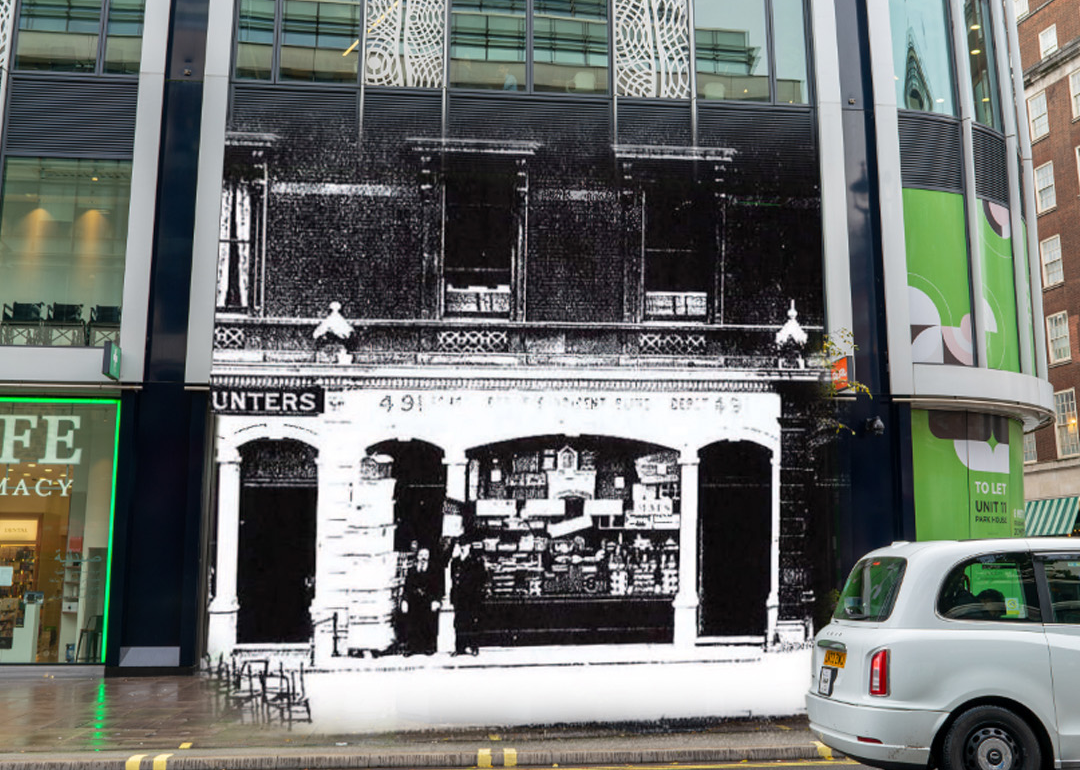
With a booming business, the school was able to set up a second shop on Oxford Street! This brought their wares to one of the biggest shopping districts in London. As with the first factory shop, nothing remains of the building today.
You might also be interested in
Our history
Our 225th anniversary