
An education in eye care
Today is International Day of Education, a global bid to highlight the importance of education as a fundamental human right. So it’s the perfect day to write about the power of good eye care on education and inclusion of children with learning disabilities.
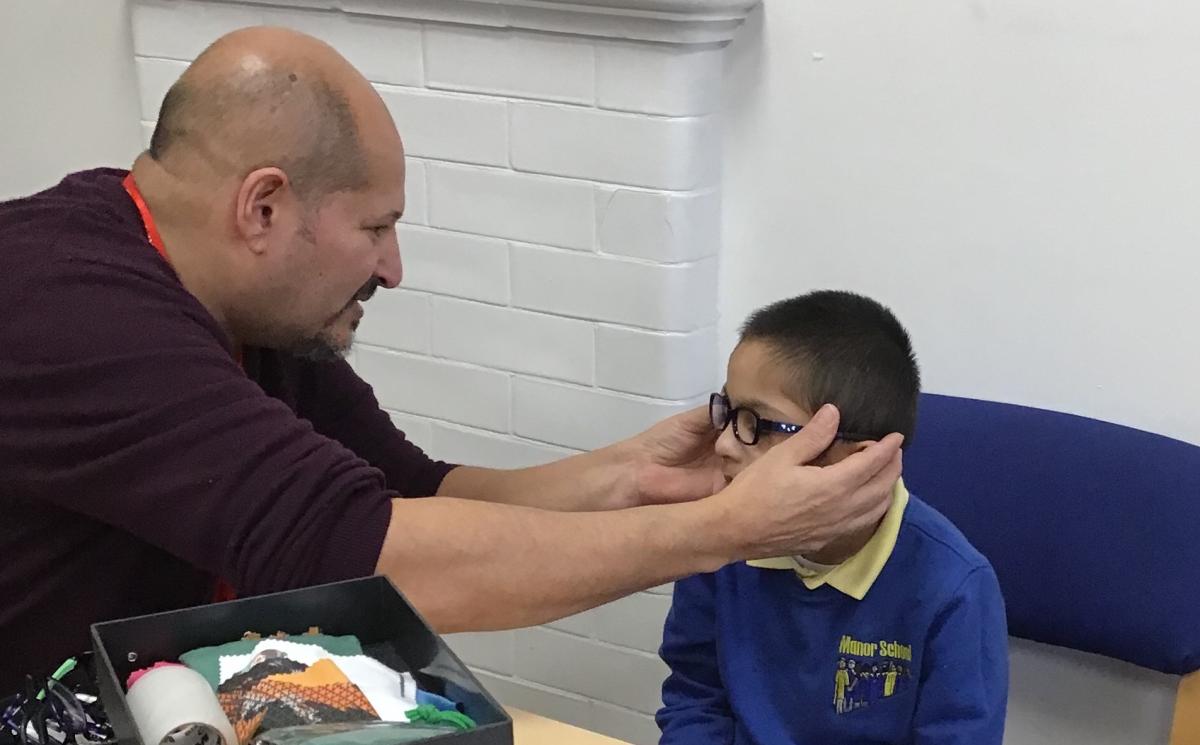
SeeAbility is currently working with Manor School in the London Borough of Brent, a school with over 200 incredible pupils on the roll, from reception to Year 6. With the motto of the school ‘Love, Learn and Laugh’ the school aims to make the most of the children’s potential and has a reputation for being a centre of excellence.
Angela Boast is the Deputy Headteacher of the school, and reports on the experience so far:
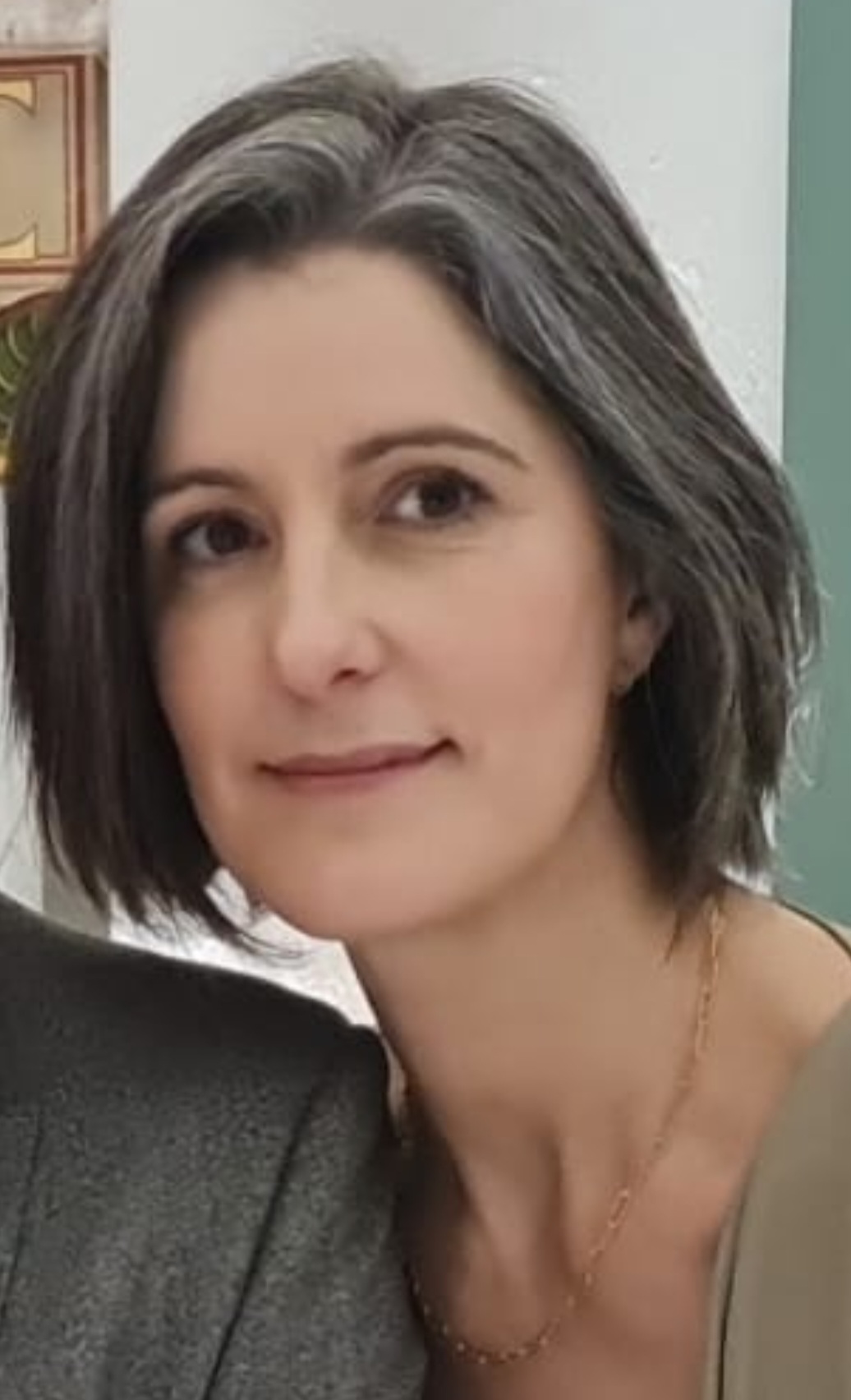 “One of the challenges the school is keenly aware of is how difficult it can be for our pupils and families to access what should be ordinarily available healthcare services in the community. Eye care is one such example, and such a fundamental one. For many of our families a visit to an optician is incredibly challenging and for some even out of the question for their child. Or they may have many other medical appointments at different hospital, clinics, and struggle to keep up.
It is well documented that 80% of a child’s learning is estimated to come from their vision. If children aren’t getting sight tests, and so importantly the glasses they need, they are going to be missing out on opportunities for learning and progression. Many children are unable to communicate effectively what they can and cannot see, creating further barriers.
Finding the right eye care support
We don’t necessarily get the information we need unless a child has a registerable visual impairment and although we work closely with our longstanding Qualified Teacher of Visual Impairment based at Brent and this has been incredibly supportive we recognise the need to do more and identify as early as possible when there is a need for support with visual impairment.
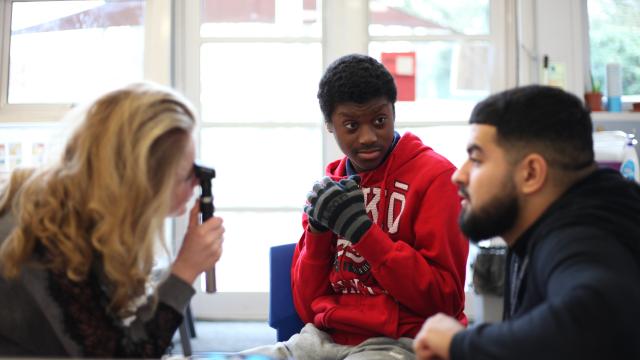
This colleague advocated for SeeAbility involvement and we visited a specialist setting not too far away to see first-hand what the impact could be. We were totally sold! We learned how SeeAbility could not just deliver full sight tests, the dispensing of glasses, and written reports on the child’s vision status, but that all of this could be done within the safe and familiar confines of our own school. We see it as a true partnership between education, families and health and it is working extremely well!
We, the educators, are informing the visiting eye care team on how to adapt their tests with the children we know so well. We share information on what we have observed about the child’s use of their vision in their environment. That provides not just valuable information to the clinical team but makes the chance of a good outcome much more likely. This includes supporting children once they get their glasses.
An eye-opening programme
Having experienced clinicians in the school has really opened our eyes to the scale of pupils who have undiagnosed visual needs and how eye testing can be done in a vastly different way to what you might expect in a clinic. We are learning things about children’s sight that we hadn’t previously known from teacher training sessions with the team.
Previously unknown information on vision is now featuring in day-to-day teaching practice and we have plans to make sure that this information is also added to education, health and care plans (EHCp’s). For families, they have at last found an eye care service that works for them, with a regularly visiting eye care team that can build up familiarity and continuity with their child, and provide helpful information and advice.
Parents can be with their child at the school appointment of course, but they can also rest assured if they choose not to be. The SeeAbility team also recently attended a parent coffee morning to help answer questions on the service, a crucial element in securing family buy-in.
The ‘golden window’
Providing eye care in a school for primary age pupils is also something we have learnt is important in terms of the ‘golden window’ of children’s visual development. Most children’s sight is constantly developing once they are born and up until the age of 8. Glasses are not just crucial; they are a treatment that can help that child’s sight develop normally.
We have learned that children with learning disabilities are 28 times more likely to have a sight problem than those without a learning disability a statistic that is shocking but now real to what we have experienced at Manor School. Happily, this need is being addressed in a vastly more efficient, equitable and transformative way than ever before, and something that is truly life changing for our pupils.
We cannot overstate the joy, emotion and impact of seeing pupils benefit from receiving their glasses and then sharing those images and videos with families and staff. We as a community are truly grateful to have SeeAbility bring to our pupils and families this opportunity for equitable access to absolutely crucial and life transforming services.”
Read more
In 2024 the government revived a pledge that a new NHS special schools eye care will be successfully rolled out to up to 165,000 children in special schools. Find out more about our work with this service.
You might also be interested in
Eye care